Back to Commercial Properties
Hotel Investment Outlook Report 2024 - 2030
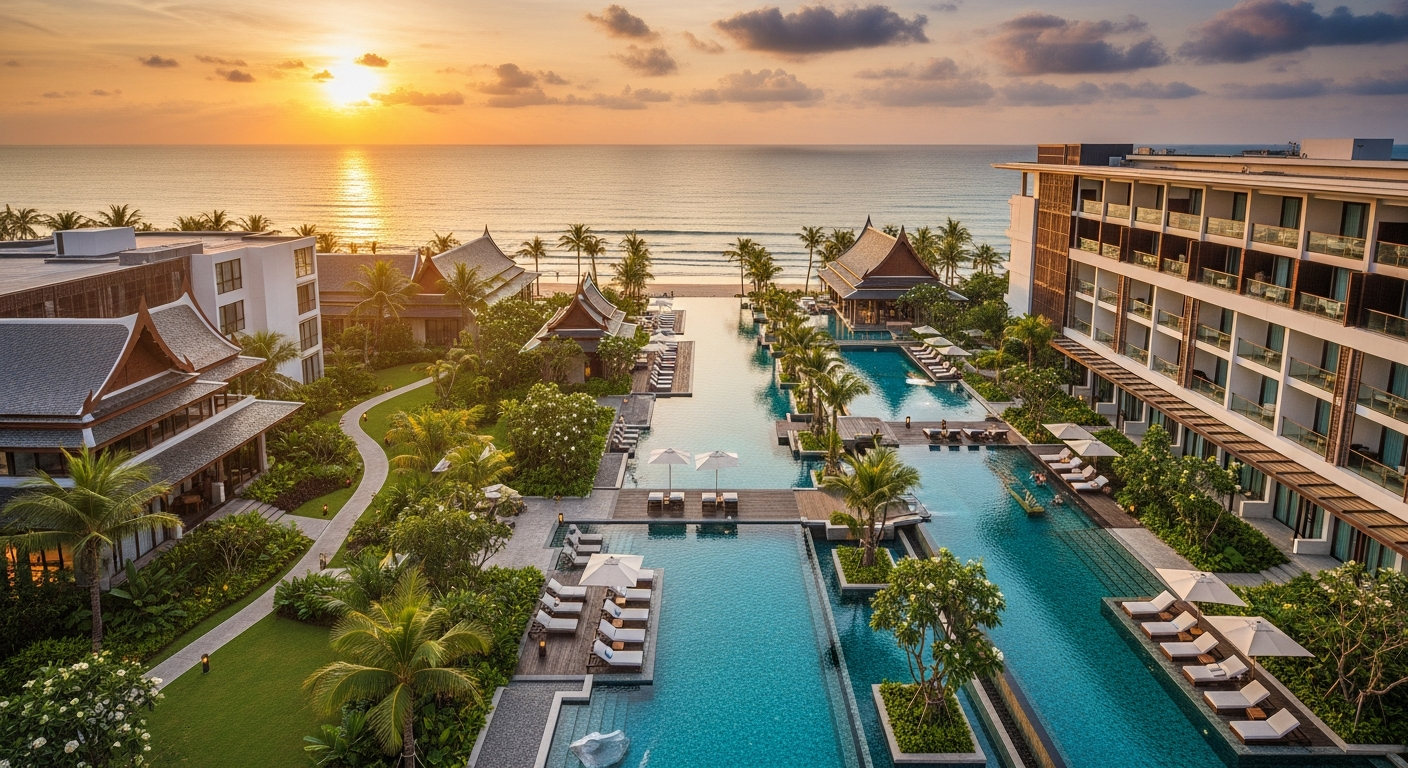
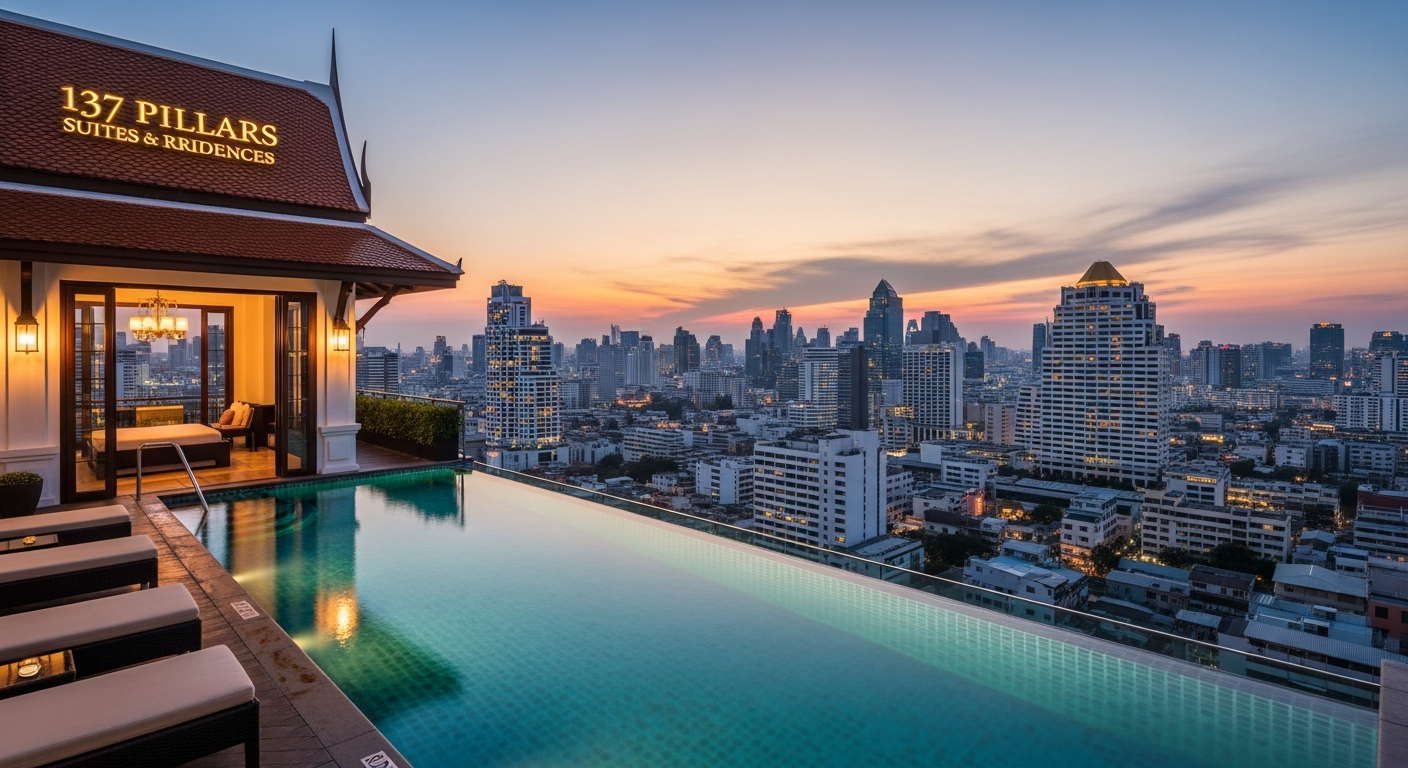
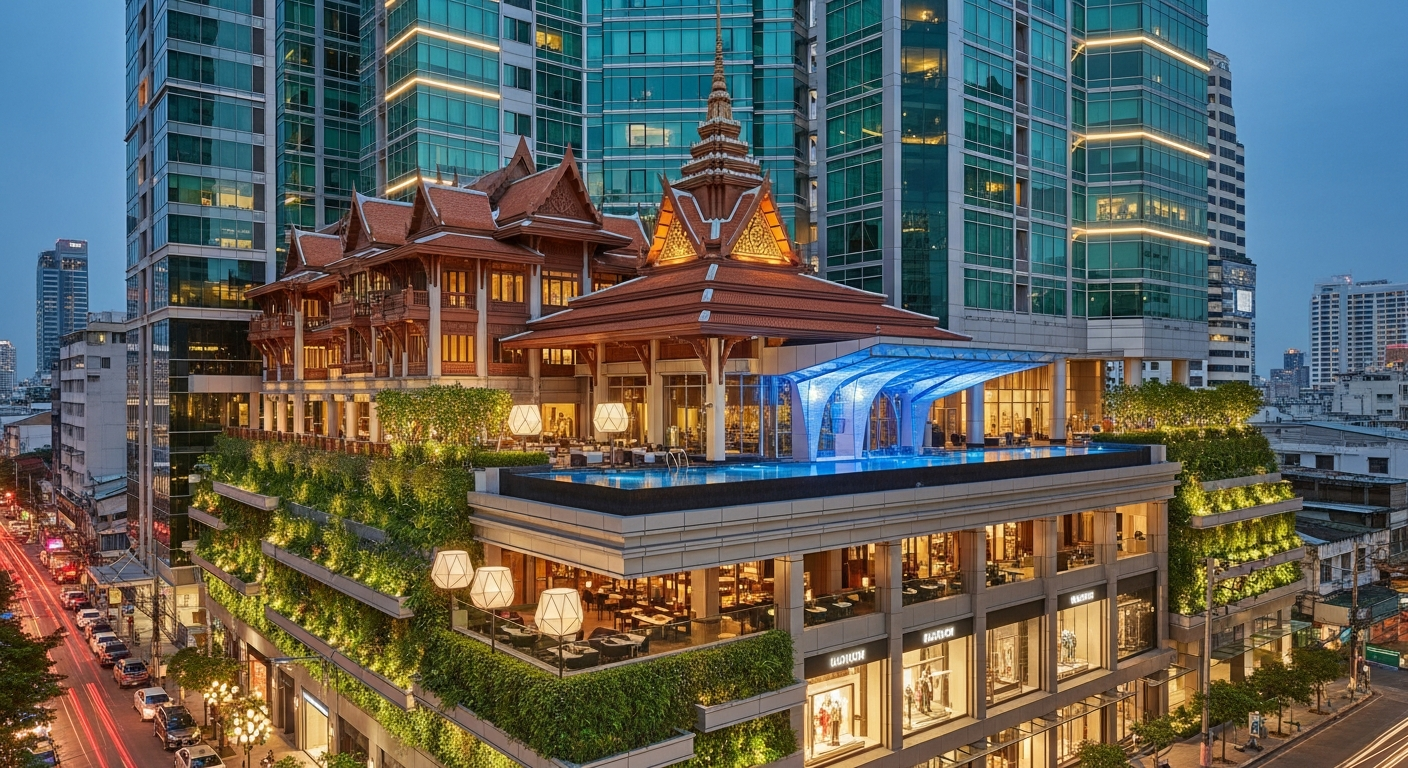
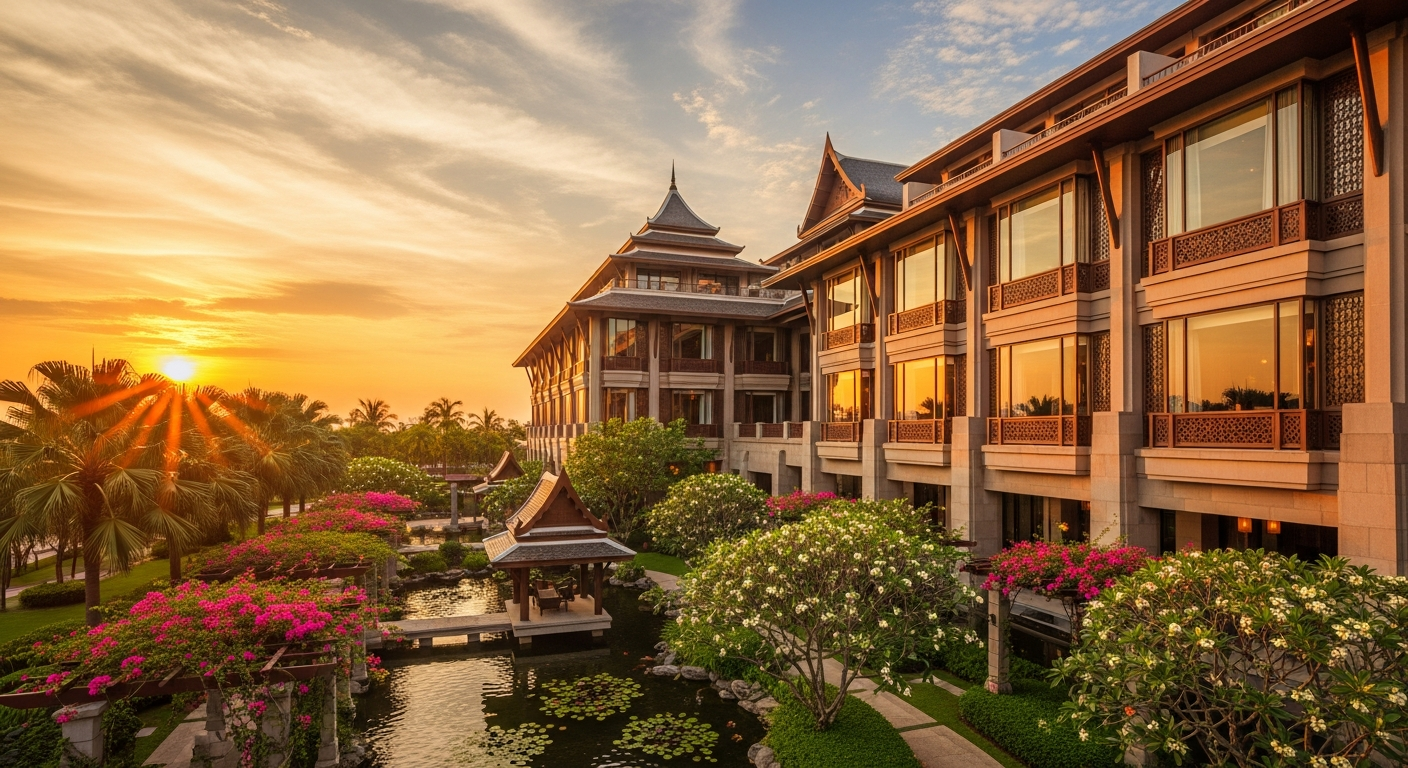
The hotel industry in Thailand is entering a dynamic growth phase from 2024 to 2030, driven by rapid post-pandemic recovery and strategic government policies. Top destinations including Bangkok, Phuket, Koh Samui, Pattaya, and Chiang Mai are experiencing a surge in institutional-grade hotel developments. Supported by Board of Investment (BOI) incentives and Eastern Economic Corridor (EEC) expansion, foreign direct investment is capitalizing on high-yield opportunities, transforming the Kingdom's hospitality landscape.
TL;DR - Quick Summary
- 2024-2030 Hospitality Boom: Asian-Pacific airline capacities are slated to surpass pre-pandemic levels by late 2024, driving unprecedented tourist volume into Thailand's primary markets.
- Lucrative BOI Incentives: Foreign investors can leverage the Board of Investment's tax holidays and relaxed ownership regulations to secure high-yield institutional-grade assets.
- EEC Strategic Growth: The Eastern Economic Corridor offers exceptional capital gain potential, merging industrial tourism with digital and medical advancements.
The Macroeconomic Environment & Economic Impact
The hotel industry directly bolsters the Thai economy by generating diverse revenue streams that stimulate local business ecosystems. Beyond core room rentals, hotels drive localized economic stimulation through food, beverage, and wellness services. This localized economic stimulation drives massive job creation while simultaneously attracting significant foreign capital from global hospitality brands. According to historical World Bank estimates, robust export demand and vibrant manufacturing have consistently anchored Thailand's GDP growth, making the broader macroeconomic environment exceptionally resilient.
Looking ahead, the Thai government is aggressively funding initiatives to ease investment barriers and integrate deeper into global value chains. With a focus on the East Asian Economic Community, strategic tax incentives and open trade systems are solidifying Thailand's reputation. Whether you are a private equity firm or an independent developer, the macroeconomic conditions for acquiring or building commercial-grade hospitality assets in Thailand remain exceptionally strong through 2030.


💡 REMAX Pro Tip
Foreign investors looking to acquire hotel assets in Thailand should prioritize purchasing properties with existing, fully transferable hotel licenses. Navigating Thailand's strict zoning laws and Environmental Impact Assessment (EIA) requirements for new builds can delay operations by 18-24 months. Furthermore, utilizing BOI privileges can significantly streamline legal compliance and bypass specific foreign ownership restrictions.
Written by REMAX Thailand Experts
Verified Real Estate Authority
This guide is researched and authored by our certified local market experts at REMAX Thailand. With decades of combined experience across the Kingdom, our team ensures every insight is backed by verified transaction data, strict legal compliance, and up-to-date market trends.
Need Personalized Advice?
Our expert agents and REX AI are ready to assist you with tailored real estate solutions.