Back to Commercial Properties
Hotel Lease in Thailand
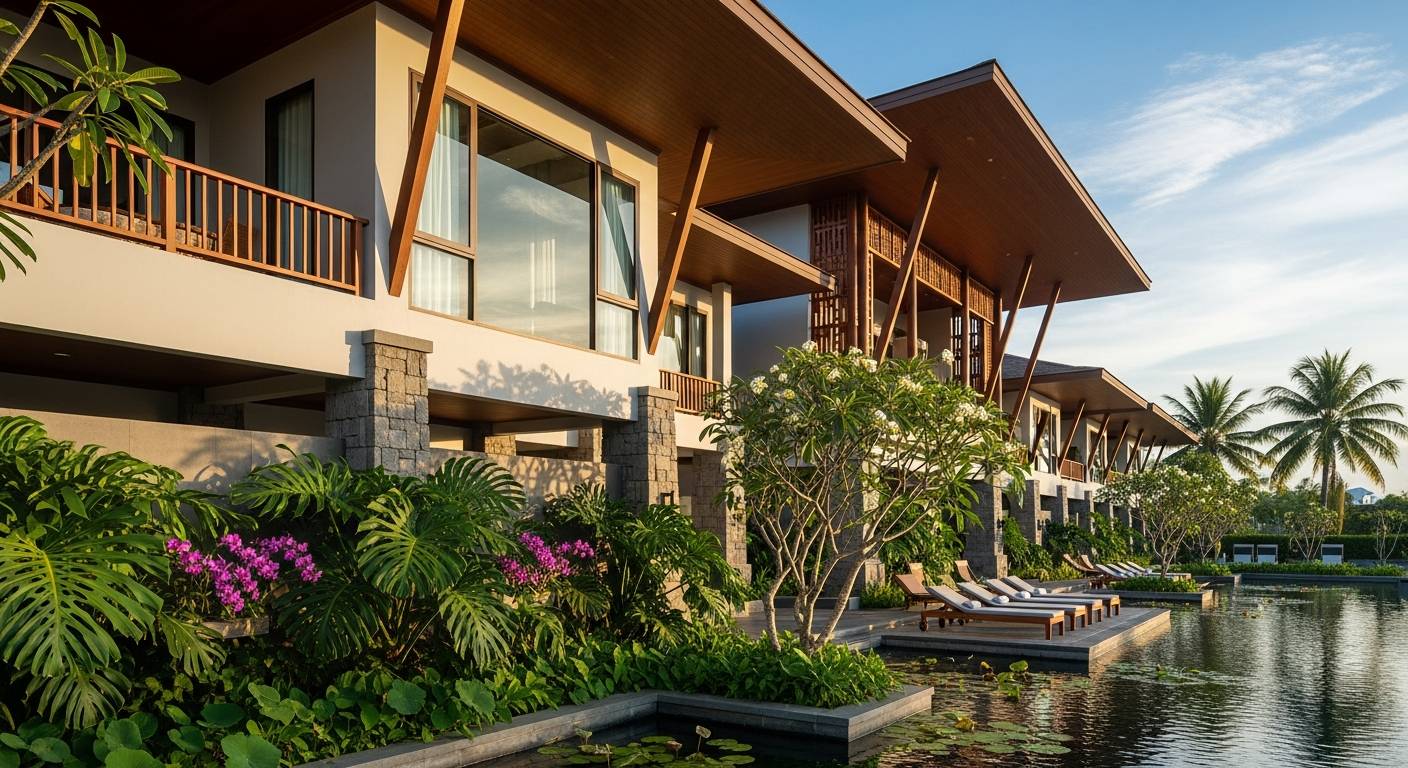
Leasing an existing hotel in Thailand offers a highly efficient entry point into Southeast Asia's thriving tourism sector by entirely bypassing the massive capital expenditures associated with ground-up construction. Investors are increasingly targeting operational properties to eliminate development risks, avoiding lengthy zoning approvals and unpredictable raw material costs. Securing a leasehold allows operators to immediately pivot their focus toward rebranding, operational efficiency, and rapid revenue generation in high-demand areas.
TL;DR - Quick Summary
- Eliminate ground-up construction costs and multi-year development timelines by acquiring an operational property.
- Secure immediate operational status in prime tourist markets like Bangkok, Phuket, and Koh Samui.
- Mitigate investment risk by shifting financial exposure from heavy CapEx to manageable monthly OpEx.
Strategic Advantages of the Thai Hospitality Market
Entering the Thai hospitality sector through a commercial lease agreement allows investors to capture immediate consumer demand without administrative friction. Constructing a new resort requires navigating rigorous Environmental Impact Assessments (EIA), complex municipal zoning laws, and often faces significant construction delays. Taking over a pre-built property entirely circumvents these bottlenecks. Standard commercial hotel leases typically operate on rolling 3-year term structures (such as 3+3+3 arrangements), while long-term registered leases can span up to 30 years, providing robust legal security under the Thai Civil and Commercial Code.
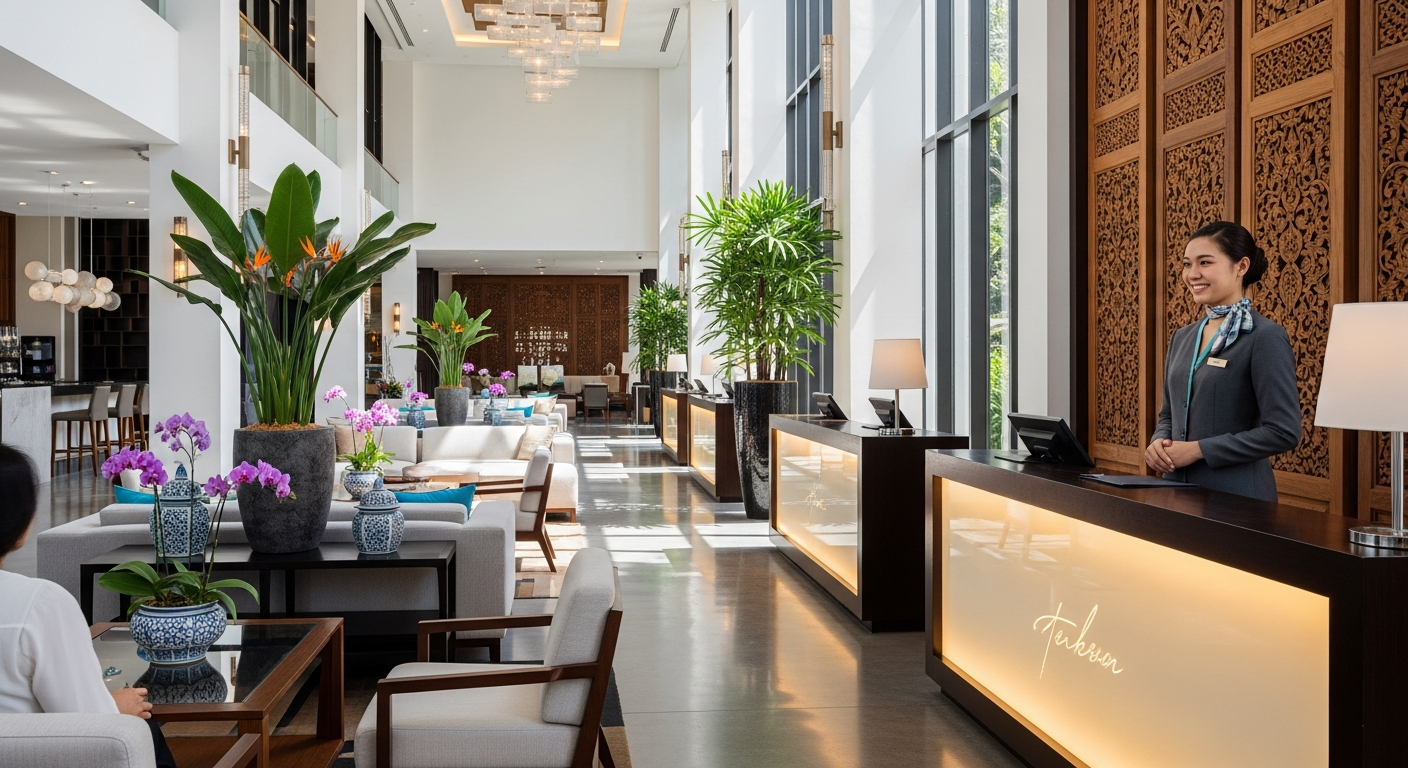
Furthermore, assuming control of an existing operational footprint ensures that critical infrastructure—from Mechanical, Electrical, and Plumbing (MEP) systems to fire safety compliance—is already established. This dynamic frees up crucial capital, allowing new operators to allocate funds directly toward high-ROI activities like strategic renovations, modernizing the guest experience, and aggressive digital marketing. Whether targeting boutique properties in Chiang Mai or beachfront resorts in Krabi, leasehold structures deliver a high-yield, low-barrier pathway to market presence.
💡 REMAX Pro Tip
Always ensure that any commercial hotel lease agreement exceeding three years is officially registered at the local Land Department to guarantee your legal rights. Before signing, commission an independent technical audit of the property’s MEP (Mechanical, Electrical, and Plumbing) systems and verify that all necessary hotel operating licenses are active and transferable.
Written by REMAX Thailand Experts
Verified Real Estate Authority
This guide is researched and authored by our certified local market experts at REMAX Thailand. With decades of combined experience across the Kingdom, our team ensures every insight is backed by verified transaction data, strict legal compliance, and up-to-date market trends.
Need Personalized Advice?
Our expert agents and REX AI are ready to assist you with tailored real estate solutions.