Back to Commercial Properties 
Hotel Grade Investment in Thailand
Are you thinking about buying or renting a premium property in the Land of Smiles? The modern Thai property market offers an extraordinary range of opportunities, but investors can easily become overwhelmed by the sheer volume of developments spanning from Bangkok to Phuket. Conducting comprehensive market research and understanding the nuances of a Hotel Grade Investment in Thailand is a crucial first step before committing capital. Whether your goal is generating high-yield rental income, securing a luxury retirement asset, or capitalizing on rapid regional appreciation, making an informed decision requires understanding local legal frameworks and property management standards.
TL;DR - Quick Summary
- Foreigners can legally own freehold condominiums up to a strict 49% foreign ownership quota limit within a given building.
- Expect to pay standardized maintenance fees between THB 40 and THB 60 per square meter for adequately maintained, hotel-grade properties.
- Engaging a verified real estate agent and property lawyer is critical to securing your investment, clarifying contracts, and maximizing long-term rental yields.
Navigating Legalities and Purchasing Strategy
Foreign investors can securely invest in Thai real estate through legally established ownership structures designed to protect international capital. Under the Thai Condominium Act, non-Thai nationals are permitted to buy and own condominium units in their own name on a freehold basis, provided the total foreign-owned floor area does not exceed 49% of the building's sellable space. When a building reaches this 49% cap, foreigners still have a viable path to investment by acquiring property through a 30-year leasehold agreement. These leasehold contracts offer strong long-term security and legally carry the potential to be renewed and rolled over for extended terms. Buyers should note that developers occasionally offer specific "Thai Quota" units at a lower price point, but these are strictly restricted to Thai citizens or Thai-registered corporate entities.
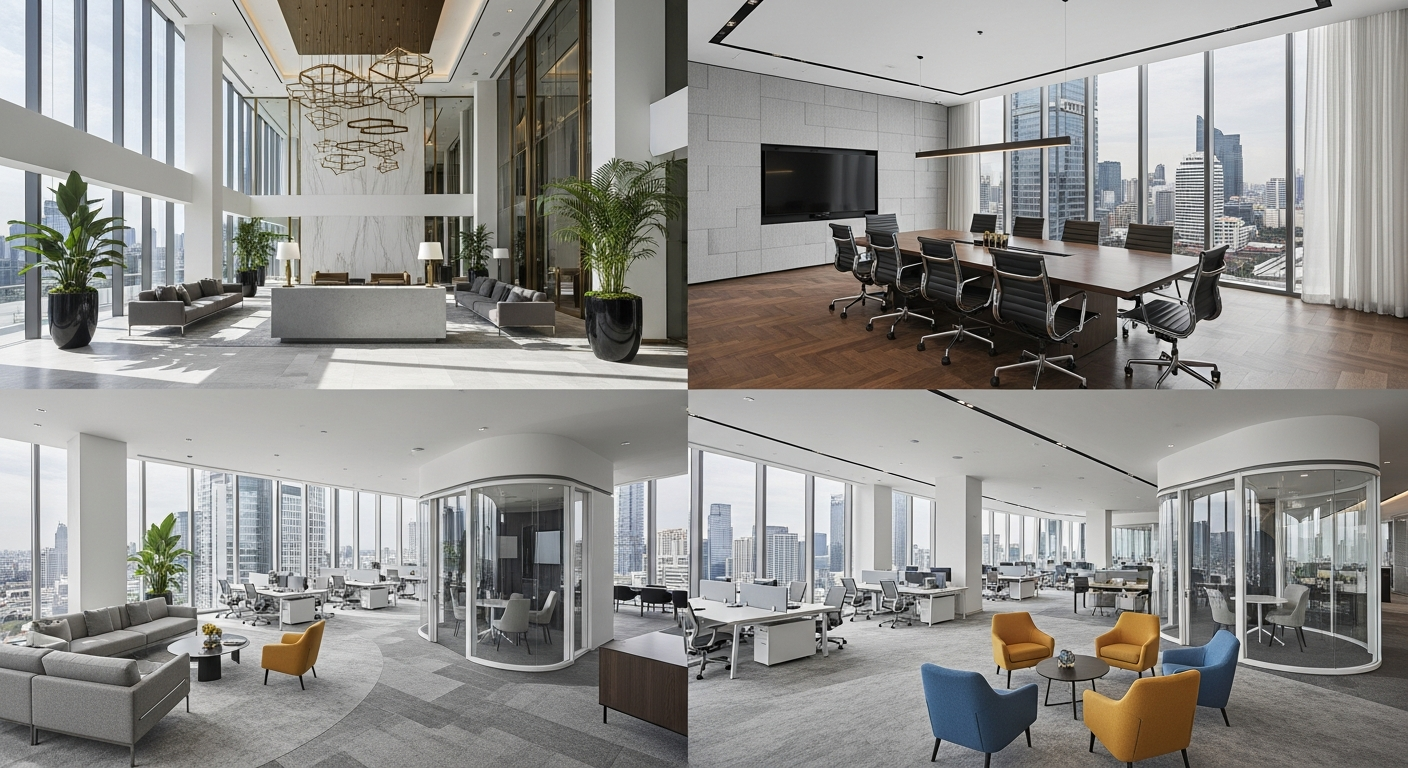
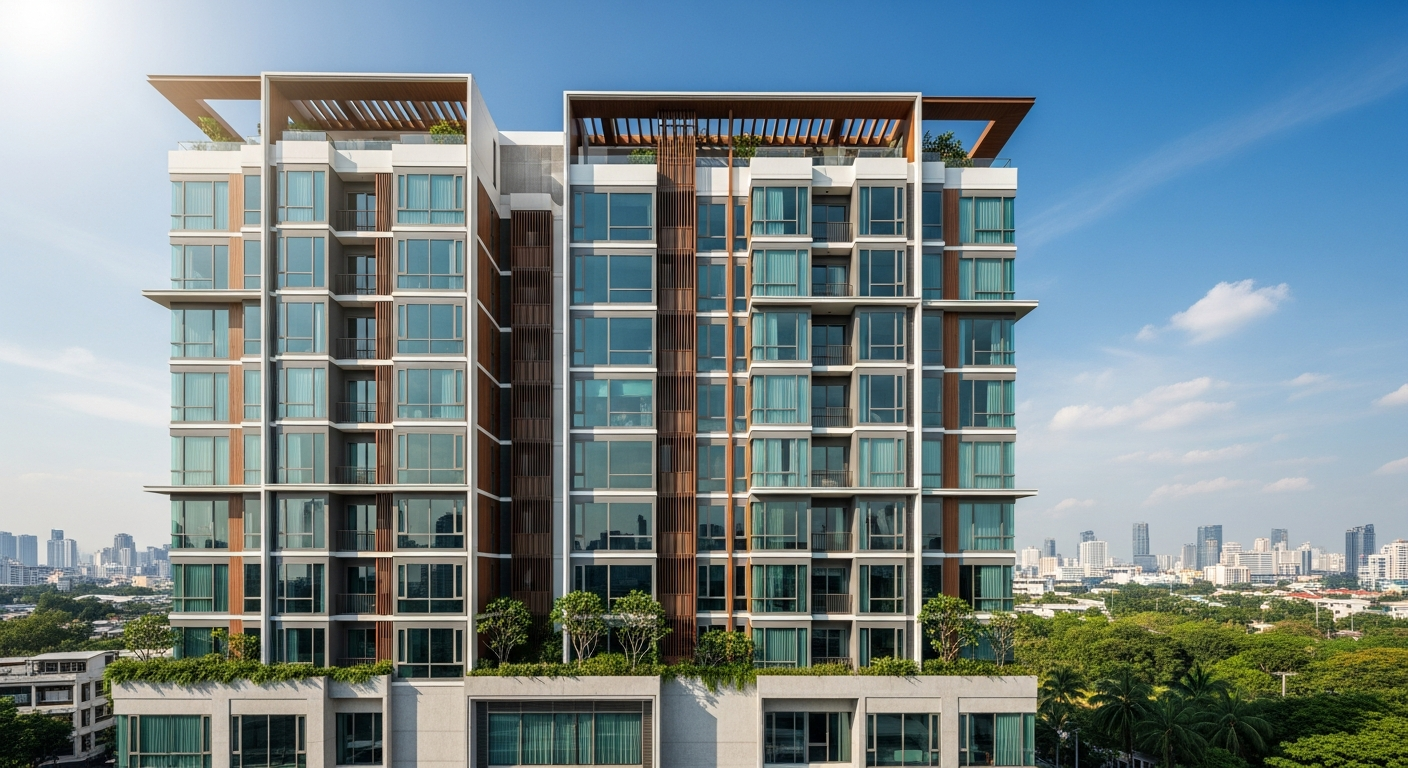
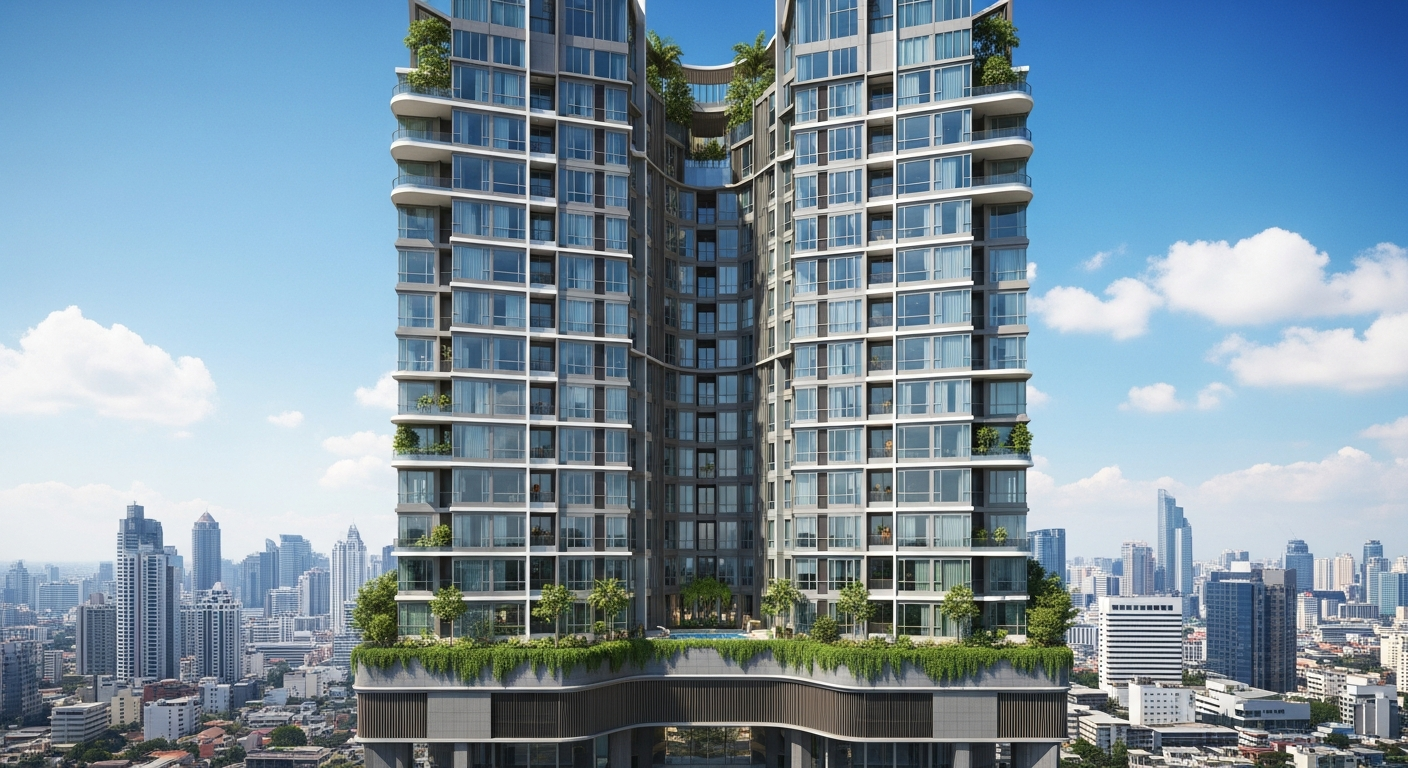
As an investor targeting the Thai market, formulating a precise purchasing strategy is critical to achieving your goals—be it capital appreciation, high rental yields, or securing a personal lifestyle retreat. While remarkably low-priced units might appear to offer the best initial value, high-density developments featuring thousands of identical units can heavily saturate local demand. If the market floods with similar properties, supply easily outstrips demand, significantly suppressing your rental yields and hurting long-term resale value. Strategic hotel-grade investments focus on premium locations with distinct competitive advantages, ensuring steady tenant interest and reliable ROI.
💡 REMAX Pro Tip
Always prioritize developers with a solid, proven track record over highly discounted off-plan projects from unknown builders. Lower-priced units in massive, high-density developments can quickly flood the market upon completion, causing supply to outstrip demand and ultimately devastating your projected rental yields and future resale value.
Written by REMAX Thailand Experts
Verified Real Estate Authority
This guide is researched and authored by our certified local market experts at REMAX Thailand. With decades of combined experience across the Kingdom, our team ensures every insight is backed by verified transaction data, strict legal compliance, and up-to-date market trends.
Need Personalized Advice?
Our expert agents and REX AI are ready to assist you with tailored real estate solutions.