Back to Commercial Properties
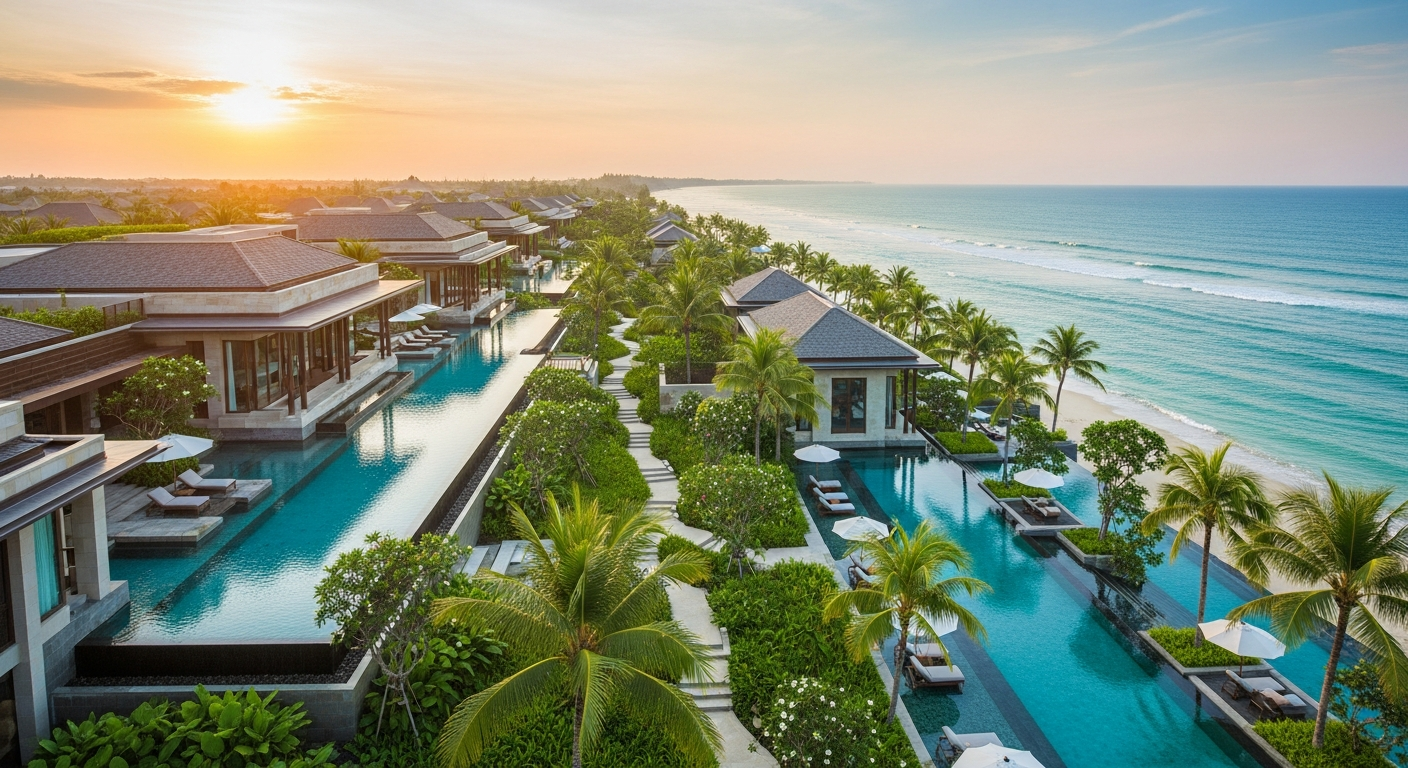
Hotel for Sale Resort Investment Thailand
Thailand’s hospitality sector represents one of Southeast Asia's most lucrative commercial real estate opportunities. Driven by a robust post-pandemic tourism recovery, foreign direct investment incentives, and highly favorable exchange rates, acquiring a hotel or resort in prime districts like Phuket, Koh Samui, or central Bangkok offers substantial yield potential. Whether leveraging the Thai-U.S. Treaty of Amity or seeking Board of Investment (BOI) privileges, investors have distinct pathways to full or majority foreign ownership. This expert guide breaks down essential market insights, critical legal requirements, and negotiation strategies to help you secure a highly profitable hospitality asset in the Land of Smiles.
TL;DR - Quick Summary
- The Thai government offers attractive BOI tax incentives, including corporate tax exemptions of up to 8 years, for foreign hotel investors.
- Prime resort locations like Phuket and Koh Samui project a strong 6-10% annual ROI driven by a massive post-pandemic tourism resurgence.
- Comprehensive due diligence, including verifying Chanote title deeds and commercial hotel licenses, is critical before negotiating any THB-denominated acquisition.
What Do Investors Need to Know Before Buying a Hotel in Thailand?
Investors must secure proper licensing, verify foreign ownership structures such as the Thai-U.S. Treaty of Amity or BOI privileges, and conduct rigorous zoning due diligence before acquiring a hotel in Thailand. First and foremost, a clear understanding of the macroeconomic landscape is vital. While the global economy experiences fluctuations, Thailand remains a premier global tourist hub, ensuring persistent demand for short-term accommodations. Key tourist zones—such as Patong in Phuket, Chaweng in Koh Samui, and Sukhumvit in Bangkok—present different entry prices, ranging from 50 million THB for small boutique operations to over 1 billion THB for luxury beachfront resorts.
Furthermore, navigating the Thai legal framework is critical. By default, foreign corporate entities are restricted to 49% ownership under the Foreign Business Act. However, strategic investors utilize BOI promotions, which can grant up to 100% foreign ownership of the operating entity alongside corporate income tax exemptions. Selecting the right location must align perfectly with your target demographic and operational scale, ensuring the property complies strictly with the Environmental Impact Assessment (EIA) and local commercial zoning ordinances.

10 Critical Due Diligence Steps for Hotel Acquisitions
Thorough due diligence for purchasing a Thai resort requires reviewing Chanote (Nor Sor 4 Jor) title deeds, zoning laws, audited financial statements, and valid hotel operation licenses. First, verify the property’s title deeds at the local Land Office, ensuring there are no encumbrances and that the specific zone permits commercial hospitality operations. Next, rigorously inspect the property’s physical condition and compliance with the Building Control Act, alongside a deep review of 3-5 years of financial statements to validate revenue and expenditure claims. You must also assess the current marketing materials, brand reputation, and OTA reviews to accurately gauge global consumer sentiment.
Furthermore, it is highly essential to interview the current staff and long-term guests to uncover operational realities not reflected on a balance sheet. Always hire a highly reputable Thai law firm to conduct corporate due diligence on the holding company, as many commercial hotels are sold via share transfers to avoid high land transfer taxes (typically around a 2% transfer fee plus a 3.3% Specific Business Tax). Finally, engage a certified REMAX Commercial agent who specializes in hospitality assets to guide the negotiation process, ensuring you acquire the property at true market value.
💡 REMAX Pro Tip
Always verify the existing Hotel License (ใบอนุญาตประกอบธุรกิจโรงแรม) and ensure the physical building strictly complies with the Building Control Act before placing a deposit. Many properties market themselves as "resorts" but only possess residential or boarding house permits, which can result in severe fines or immediate closure under Thai law.
Written by REMAX Thailand Experts
Verified Real Estate Authority
This guide is researched and authored by our certified local market experts at REMAX Thailand. With decades of combined experience across the Kingdom, our team ensures every insight is backed by verified transaction data, strict legal compliance, and up-to-date market trends.
Need Personalized Advice?
Our expert agents and REX AI are ready to assist you with tailored real estate solutions.