Back to Real Estate Definitions Fact-checked by a REMAX Thailand Real Estate Expert
Regulatory Compliance
What is Building Inspection Certificate in Thailand?
The Definition
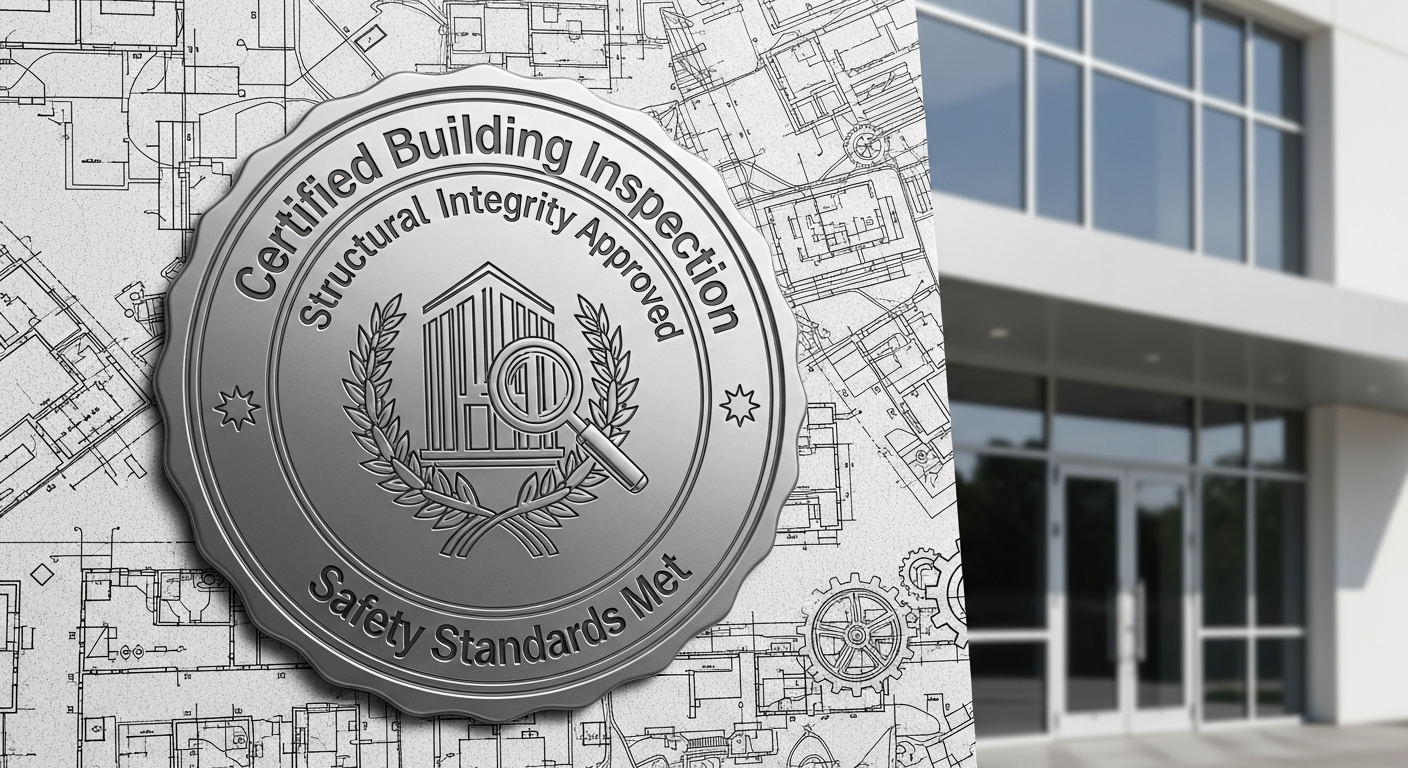
A Building Inspection Certificate is an official document issued by the Department of Public Works and Town & Country Planning (or equivalent local authority) certifying that a completed building has passed final structural and safety inspections and complies with Thai building codes and regulations. This certificate is mandatory for registering property ownership and transferring title at the Land Department.
Global Expectations vs. Thai Reality
International buyers often assume a building inspection is a voluntary third-party assessment (like home inspections in the US). In Thailand, however, the Building Inspection Certificate is a mandatory government-issued document required by law for property registration and transfer. Western buyers may expect inspections to focus on cosmetic or structural defects; in Thailand, inspections verify compliance with the Building Control Act and Town and City Planning Act, with enforcement powers including stop-work orders or even demolition if violations are found.
The Problem It Presents
Many sellers and developers delay or fail to obtain the Building Inspection Certificate, leaving properties in legal limbo even after construction is complete. Without this certificate, a buyer cannot register ownership at the Land Department, meaning years of investment may be at risk if the property is later declared non-compliant. Foreign investors are particularly vulnerable, as they often rely on agents to navigate Thai regulations and may not discover the absence of this document until after purchase, when it becomes extremely costly to rectify.
Foreigner vs. Thai Citizen Rules
Both foreign nationals and Thai citizens require the same Building Inspection Certificate to register and transfer property ownership. However, foreign nationals face additional restrictions: they cannot own land directly in Thailand but may own condominium units if the building is registered and legally compliant—making the Building Inspection Certificate even more critical for foreigners, as it is a prerequisite for condo ownership registration.
The Thai Legal Context
The Building Inspection Certificate is governed by the Building Control Act and the Town and City Planning Act, with technical standards and enforcement administered by the Department of Public Works and Town & Country Planning. The certificate is issued by the local authority (often the Or Bor Tor or municipality) after a final inspection of the completed building. The building must have been constructed in accordance with an approved building permit and must meet all specified technical standards, serving as formal evidence that the building was lawfully constructed.
Benefits & Risks
Advantages
- Legal certainty and protection (confirms lawful construction).
- Mandatory for ownership registration and title transfer.
- Reduces hidden liability (protects against defects/violations).
Risks & Disadvantages
- Significant delays in construction due to final inspections.
- Costly remediation if the certificate is absent or delayed.
- Limited recourse for buyers if discovered after purchase.
Showcase: How It Works
Let’s look at a real-world scenario to understand how Building Inspection Certificate is applied during a property transaction.
The Scenario
- Developer completes 20-unit condo in Bangkok (Dec 2025).
- BMA inspection verifies structural integrity and system compliance.
- Certificate issued in 2-4 weeks; titles registered at Land Department.
The Result
Without the Building Inspection Certificate, the 20 units cannot be registered, buyers cannot claim legal ownership, and the entire 80 million THB project remains in legal limbo.
Outcome: 80M THB Project Secured / Titles Registered
Building Inspection Certificate vs. Building Permit
A quick breakdown of how this term compares to its closest alternative.
| Feature | Building Inspection Certificate | Building Permit |
|---|---|---|
| Timing | Issued after construction | Issued before construction |
| Purpose | Certifies compliance of finished building | Authorizes start of construction |
| Registration | Mandatory for Title/Ownership | Proof of lawful build only |
Frequently Asked Questions
Can I legally occupy a property while waiting for the Building Inspection Certificate?
You may occupy the property physically, but you cannot register legal ownership or transfer title without the certificate. Occupancy without registration leaves you vulnerable to disputes and provides no legal protection.
How long does it typically take to obtain the Building Inspection Certificate in Thailand?
Once construction is complete and the final inspection is scheduled, the certificate is usually issued within 2–4 weeks, depending on local authority workload and whether any code violations are found.
What happens if the building fails the final inspection?
The developer must remediate the defects and schedule a re-inspection. Serious violations can result in stop-work orders or demolition mandates under the Building Control Act. This can delay the certificate by months or years.
Is the Building Inspection Certificate required for both condos and houses in Thailand?
Yes, all building types—condos, townhouses, houses, and commercial properties—require the Building Inspection Certificate for legal ownership registration at the Land Department.
Can a foreign buyer get a refund or cancel the purchase if the Building Inspection Certificate is not obtained after purchase?
Typically no, unless the sales contract explicitly includes this as a contingency clause. This is why contract language protecting the buyer's right to the certificate is critical before signing.
Related Terms
Free Guide
Download "Transfer Completion Guide" to learn more and navigate safely.
Get the FREE PDF GuideWhy It Matters
Without the Building Inspection Certificate, your property cannot be registered in your name at the Land Department, leaving your investment legally unprotected and unsellable. For foreign buyers especially, this certificate is the legal gateway to condo ownership in Thailand—missing it can cost hundreds of thousands of baht in remediation or result in total loss of investment.
💡 REMAX Pro Tip
Always insert a contract clause requiring the developer to provide the Building Inspection Certificate before final payment or at least by a specific date with documented penalties (e.g., 0.5% monthly interest withhold) if not delivered. Never close on a property—Thai or foreign—without this certificate in hand or a binding developer guarantee.
Common Misconceptions
Myth: Move in now, register later.
Reality: You cannot register ownership without the certificate, meaning you have no legal claim to the property.
Myth: Home Inspector = Gov Certificate.
Reality: Private reports check condition; only the Government Certificate enables legal registration.
Need more help?
Our expert agents and AI are ready to assist you.
Ask Line AI Ask WhatsApp AI Find an Agent