Back to Real Estate Information
Buying & Leasing Land in Thailand: Tips & Legal Considerations
Are you searching for a parcel of land in Thailand? Both buying and leasing options present unique prospects across the Kingdom, ranging from pristine beachfront properties in Phuket to high-end residential plots close to the Bangkok metropolitan area. This guide explores the diverse real estate avenues available, delivering strict legal counsel, monetary insights, and actionable tips for securing land securely. Whether you are an international investor seeking a 30-year leasehold or a local homeowner, understanding the Land Code of 1960 and zoning ordinances is critical for a safe transaction.
TL;DR - Quick Summary
- Foreigners cannot directly own freehold land but can legally secure it through a 30-year renewable leasehold or by establishing a Thai Limited Company.
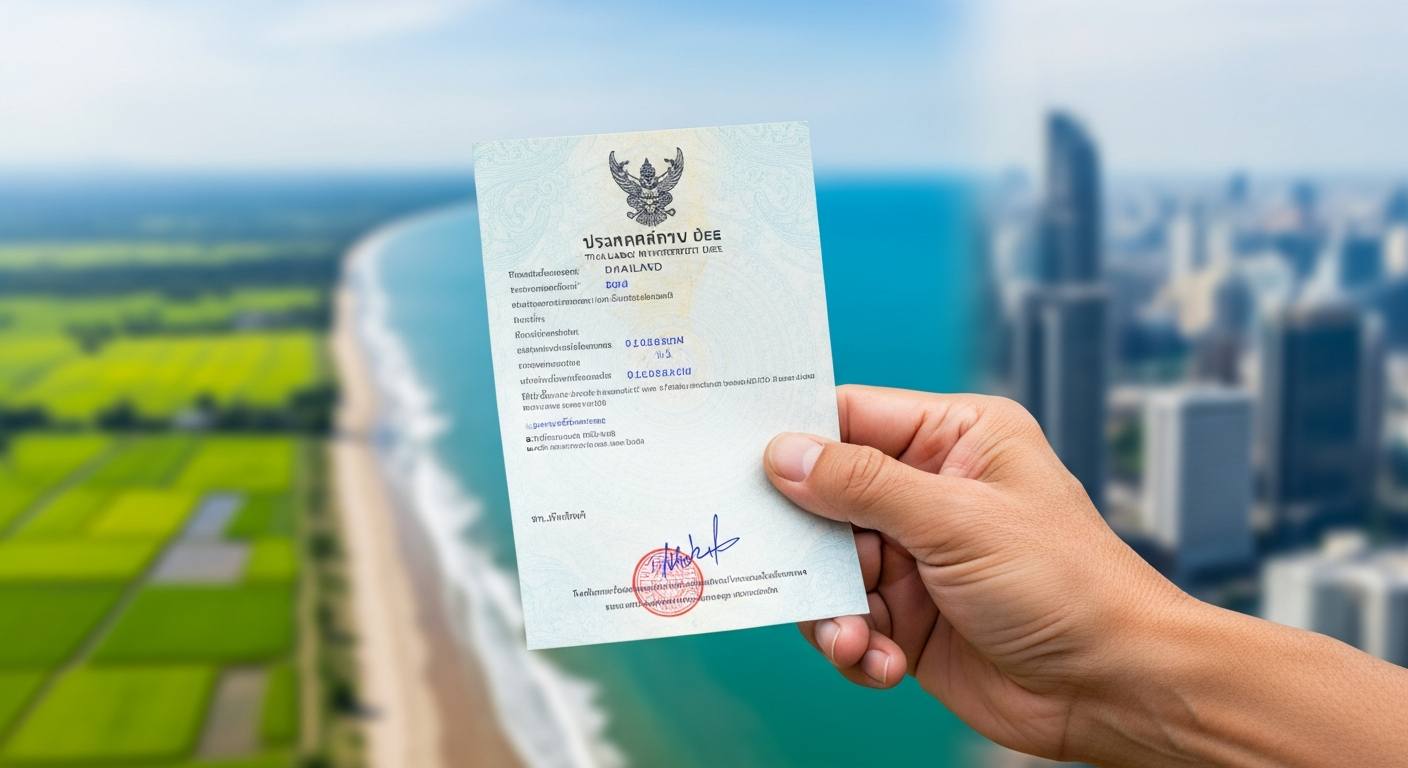
- Always demand a "Chanote" (Nor Sor 4 Gor) title deed, which provides the highest level of security through exact GPS land surveys and precise boundary verification.
- Strict zoning laws and the Land Code Act (B.E. 2522) dictate building parameters; failing to audit these regulations can permanently halt development.
Thailand Land Title Deeds & Legal Considerations
Securing the correct title deed is the absolute foundation of safe land acquisition in Thailand. The Kingdom utilizes four primary types of title deeds for land ownership: Nor Sor 3 Gor, Nor Sor 3, Chanote (Nor Sor 4 Gor), and Sor Kor Nung. Obtaining a Chanote title deed provides the highest level of security because it requires a thorough land survey utilizing GPS coordinates and strict verification of boundaries by the Land Department. Without a Chanote, your property boundaries are less secure, leaving you highly vulnerable to encroachment disputes.
From a legal standpoint, the Land Code of 1960 establishes distinct property ownership frameworks. Foreign investors face strict taxation rules and must consult a licensed tax lawyer to avoid severe financial penalties. Additionally, you must clear all environmental protection zone restrictions and obtain specific building permits from local municipal offices. Directly purchasing or leasing without performing proper due diligence on these local regulations can lead to costly project delays or completely voided contracts under Thai law.
The Strict Process of Leasing and Buying Thai Land
Executing a land transaction requires precise adherence to the Land Code Act (B.E. 2522). All formal leases exceeding three years must be registered at the local Land Office, ensuring the tenant's rights are legally enforceable and protected. An official application requires personal identification, proposed land use, and documented permission from the verified rightful owner. Once approved by authorities, a robust contract must outline exact rent payments, maintenance obligations, and explicit limitations on construction or farming activities to prevent sudden evictions.
Determining your intended use—residential, commercial, or agricultural—dictates the specific legal filings required during the transaction. Zoning regulations set by local authorities strictly outline what can and cannot be built. For instance, a plot zoned solely for industrial use cannot house a retail outlet without a special variance from the city council. Working with qualified RE/MAX Thailand experts ensures you identify properties with the correct zoning and secure contracts that unconditionally protect your financial interests throughout the entire lease or ownership tenure.


💡 REMAX Pro Tip
Never finalize a land purchase or lease without verifying the "Chanote" title deed at the local Land Office. Unverified boundaries on lower-tier titles like Nor Sor 3 can lead to severe encroachment disputes and instantly invalidate your future development plans.
Written by REMAX Thailand Experts
Verified Real Estate Authority
This guide is researched and authored by our certified local market experts at REMAX Thailand. With decades of combined experience across the Kingdom, our team ensures every insight is backed by verified transaction data, strict legal compliance, and up-to-date market trends.
Need Personalized Advice?
Our expert agents and REX AI are ready to assist you with tailored real estate solutions.