Back to Real Estate Definitions Fact-checked by a REMAX Thailand Real Estate Expert
Property Component
What is Fixture in Thailand?
The Definition
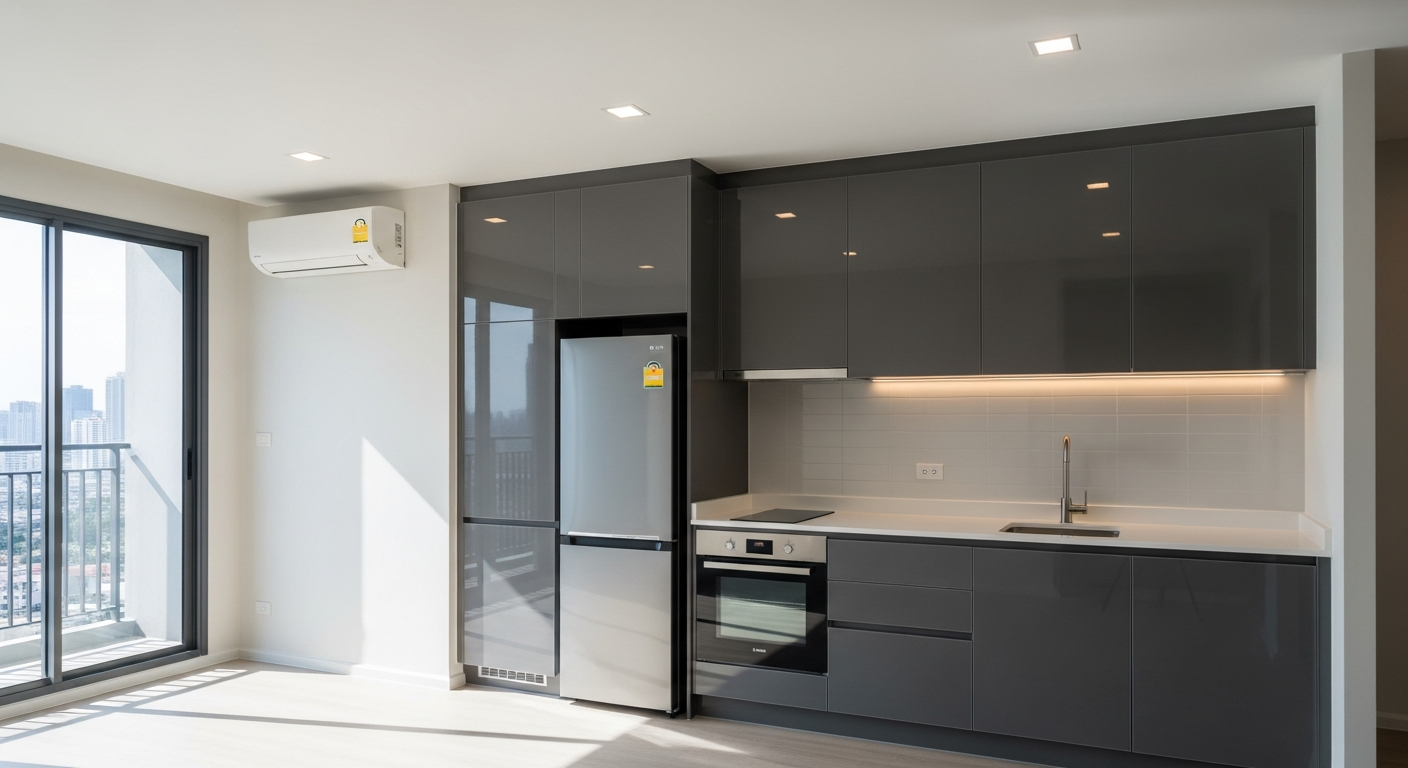
In Thailand's real estate market, a fixture refers to personal property—such as air conditioning units, kitchen cabinets, and bathroom fittings—that becomes part of the real property when permanently attached to it. These items are typically included in property sales unless explicitly excluded in the sales contract. This classification distinguishes fixtures from movable chattels, affecting what transfers to the buyer upon completion.
Global Expectations vs. Thai Reality
Western buyers often expect detailed fixture inventories or schedules in contracts, with clear legal tests for annexation based on intent and permanence, but in Thailand, practices are more informal, relying heavily on sales agreement wording without standardized statutory tests. Disputes may arise from cultural assumptions about what constitutes "permanent" attachment, as Thai transactions emphasize negotiation over rigid doctrine. Additionally, Thai sellers commonly include standard fixtures like built-in cabinets without separate valuation, unlike Western norms of itemized exclusions.
The Problem It Presents
Buyers may discover post-purchase that expected fixtures like AC units were removed by sellers claiming they were personal property, leading to disputes and legal costs at the Land Office. Sellers risk liability for property damage if fixtures are improperly removed, as Thai courts enforce accession principles under CCC. Unexpected repair costs arise when fixtures are faulty but assumed included, without pre-sale inspections.
Foreigner vs. Thai Citizen Rules
Fixture rules apply equally to foreigners and Thai citizens, as they concern property components rather than ownership rights. Foreigners, limited to condos under the Condominium Act or leaseholds, must ensure fixture inclusions are stipulated in contracts, but face no differential treatment on fixture classification itself. Thai citizens with freehold land benefit from clearer accession under CCC, though contract clarity remains essential for all.
The Thai Legal Context
Fixtures are governed by general principles under the Thai Civil and Commercial Code (CCC), particularly Sections 133-138 on property ownership and accession, where attached items accede to the land or building. The Department of Lands oversees title transfers, ensuring fixtures align with the property description in Chanote (title deeds), while sales contracts must specify inclusions to avoid disputes during transfer at the Land Office. No specific fixture statute exists, but contract law under CCC Book II enforces agreements on what constitutes fixtures.
Benefits & Risks
Advantages
- Enhances property value by bundling essential items like kitchen fittings, reducing buyer setup costs.
- Simplifies transactions as standard fixtures transfer automatically unless excluded, streamlining Land Office transfers.
Risks & Disadvantages
- Ambiguity in "permanent attachment" leads to post-sale removals and conflicts without clear contracts.
- No mandatory inspections mean hidden fixture defects (e.g., wiring issues) surprise buyers.
Showcase: How It Works
Let’s look at a real-world scenario to understand how Fixture is applied during a property transaction.
The Scenario
- A foreign expat buys a 2-bedroom condo in Bangkok for THB 5,000,000.
- Sales contract specifies inclusion of fixtures: 3 wall-mounted AC units (THB 150,000 value), built-in kitchen cabinets, and bathroom fittings.
- At closing, seller attempts to remove AC units, but the agent enforces the contract inventory.
The Result
Seller reinstalls fixtures or compensates THB 150,000; full transfer completes with fixtures intact.
Outcome: Buyer avoids THB 450,000 replacement costs.
Fixture vs. Chattels
A quick breakdown of how this term compares to its closest alternative.
| Feature | Fixture | Chattels |
|---|---|---|
| Transfer Rule | Transfer automatically unless excluded | Require separate negotiation |
| Attachment Status | Permanently attached (e.g., built-in AC) | Easily removable (e.g., sofa) |
| Impact on Valuation | Included in title deed valuation | No impact on Land Office transfer fees |
Frequently Asked Questions
What counts as a fixture in a Thai condo sale?
Items permanently attached like built-in cabinets and wall AC units; freestanding appliances do not qualify unless specified.
Can sellers remove fixtures after signing the contract?
No, if listed in the agreement; removal risks breach of contract and damage claims under CCC.
Do fixtures affect transfer fees at the Land Department?
Indirectly, as they boost appraised value, but fees (2%) are on total property price including fixtures.
How do foreigners verify fixtures in leaseholds?
Include in lease agreement and conduct joint inspection; enforce via lawyer review.
What if a fixture is damaged at handover?
Seller liable for repairs if contract deems it included; insist on pre-closing walkthrough.
Related Terms
Why It Matters
Ignoring fixtures can strip thousands in value from your purchase, as sellers remove "non-permanent" items post-contract. Clear specification protects investments in Thailand's negotiation-driven market, avoiding Land Office disputes.
💡 REMAX Pro Tip
Always demand a signed fixture inventory addendum to your sales contract, photographed during inspection—saves THB 100,000+ in disputes.
Common Misconceptions
Myth: All installed items like curtains or freestanding appliances are automatically fixtures.
Reality: Only permanently attached items (e.g., built-in cabinets) qualify; movable chattels remain seller's property unless specified.
Myth: Fixtures can always be removed by sellers without repercussions.
Reality: Removal causing damage triggers liability under CCC accession rules, and contracts often deem them included.
Need more help?
Our expert agents and AI are ready to assist you.
Ask Line AI Ask WhatsApp AI Find an Agent