Back to Real Estate Definitions Fact-checked by a REMAX Thailand Real Estate Expert
Property Assessment Tool
What is Inspection in Thailand?
The Definition
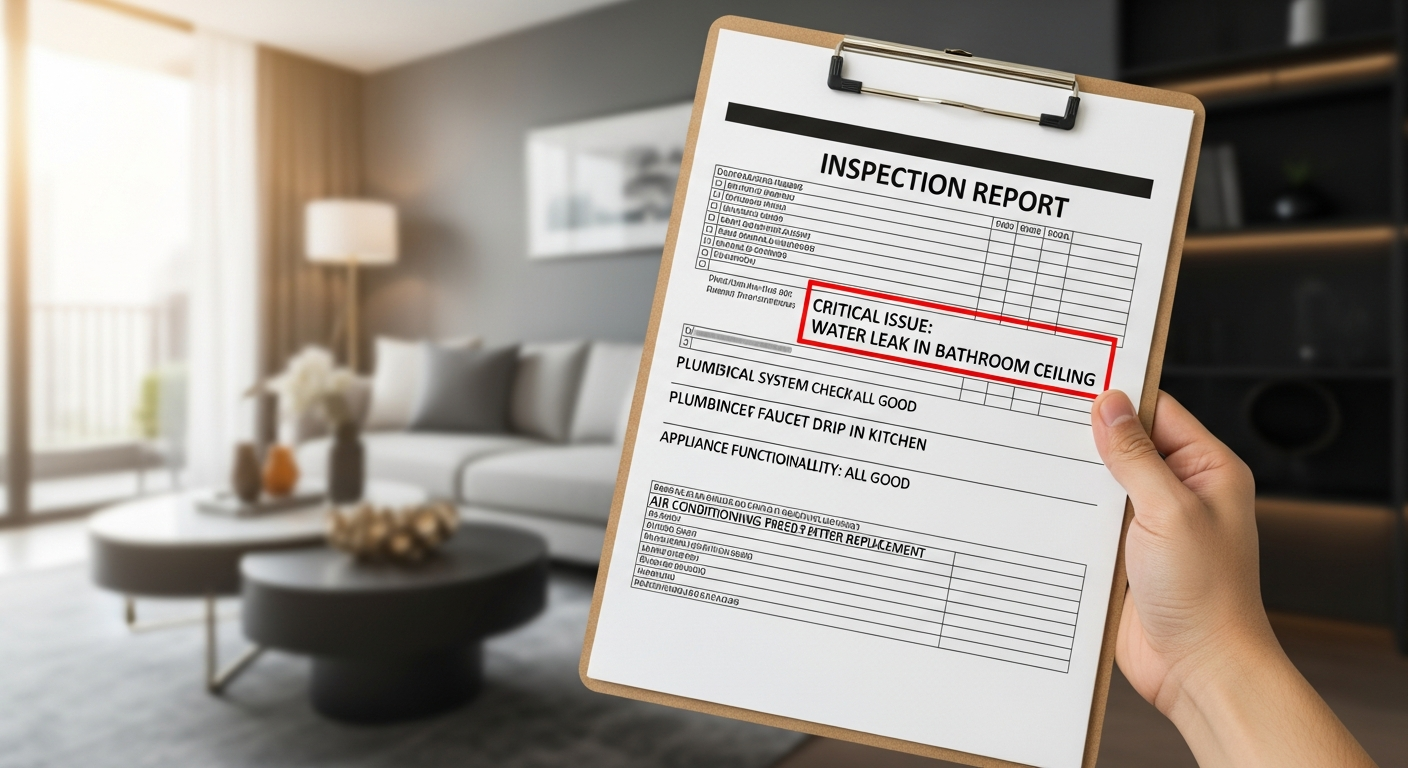
In Thailand, an inspection is a comprehensive evaluation of a property's physical condition—including structural integrity, electrical systems, and plumbing—conducted by a licensed inspector to identify defects, safety issues, or needed repairs before purchase or rental. It serves as a crucial due diligence tool that provides assurance of safety and habitability.
Global Expectations vs. Thai Reality
Western buyers often expect inspections to be legally required and strictly regulated. In Thailand, inspections are largely voluntary and market-driven. While Western transactions involve exhaustive liability reports, Thai inspections focus on basic structural and systems evaluation, often proceeding more rapidly and sometimes without detailed written reports unless specifically requested.
The Problem It Presents
Many Thai property transactions skip formal inspections, leaving buyers surprised by structural defects, outdated electrical systems, or plumbing failures post-purchase. Without a standardized report, buyers have weak negotiating leverage to demand repairs or price reductions, and proving pre-existing defects after ownership transfer is extremely difficult.
Foreigner vs. Thai Citizen Rules
Inspection requirements do not formally differ by nationality; they are private contractual services. However, foreign buyers are strongly advised to conduct more rigorous inspections than locals due to language barriers, unfamiliarity with Thai construction standards, and limited recourse channels.
The Thai Legal Context
Thailand lacks a unified government inspection mandate for resale. Inspections fall under the purview of the Department of Lands for titles and Ministry of Interior for building safety (Condominium Act B.E. 2522). Inspections are contractual arrangements, often involving private companies, rather than government-mandated officials.
Benefits & Risks
Advantages
- Identifies hidden defects (electrical, plumbing, structural) early, enabling informed price negotiation.
- Builds buyer confidence by providing documented assurance of property safety and condition.
- Increases sales velocity as properties with professional reports appeal to cautious buyers.
Risks & Disadvantages
- Adds transaction costs (typically 2,900 THB) and requires additional time in the process.
- May reveal deal-breakers that kill a deal or trigger difficult renegotiations.
- Limited legal enforceability as findings are advisory; disputes may not hold up in court without expert testimony.
Showcase: How It Works
Let’s look at a real-world scenario to understand how Inspection is applied during a property transaction.
The Scenario
- A foreign buyer considers a 5.5M THB condo in Phrom Phong and hires an inspector for 2,900 THB.
- The report finds outdated wiring (150k THB), a faulty water heater (25k THB), and balcony cracks (10k THB).
- The total estimated repair cost is approximately 185,000 THB; buyer uses report for negotiation.
The Result
Armed with the inspection report, the buyer negotiates a price reduction covering the repair costs or conditions the sale on the seller completing repairs.
Outcome: Price Reduced to 5,315,000 THB
Inspection vs. Appraisal
A quick breakdown of how this term compares to its closest alternative.
| Feature | Inspection | Appraisal |
|---|---|---|
| Purpose | Identifies physical defects & safety issues | Determines fair market value |
| Who Conducts It | Private licensed inspector (voluntary) | Licensed appraiser (often bank-required) |
| Legal Weight | Advisory; contractual leverage | Significant for lending & tax |
Frequently Asked Questions
Is a property inspection legally required before buying a home in Thailand?
No, inspections are not legally mandated in Thailand; they are optional due diligence. However, prudent buyers (especially foreigners) should always commission one to avoid hidden costs.
How much does a professional property inspection cost in Thailand?
A basic professional inspection typically costs around 2,900 THB, covering structural integrity, electrical, plumbing, and general condition. Specialized checks cost extra.
What happens if the inspection report reveals major defects—can I cancel the purchase?
Only if you include an inspection contingency clause in your contract. Without one, defects generally do not give you a legal right to cancel without penalty in Thailand.
Who is responsible for paying the inspection fee?
Conventionally, the buyer pays as it is their due diligence. However, costs can sometimes be split or covered by the seller if negotiated, especially if major defects are found.
Can I use a Thai real estate agent's informal inspection instead of hiring a professional?
An agent's walkthrough lacks the legal weight and technical depth of a licensed professional's report. for significant purchases, a formal written report is essential for protection.
Related Terms
Free Guide
Download "Transfer Completion Guide" to learn more and navigate safely.
Get the FREE PDF GuideWhy It Matters
A professional inspection is your financial safety net. It provides documented evidence of a property's condition, protecting you from expensive post-purchase repairs and giving you negotiating power to reduce the price or demand fixes.
💡 REMAX Pro Tip
Always insist on an inspection *before* signing the purchase agreement and make the sale contingent on approval. Once signed, you lose leverage. Request access multiple times (day, night, after rain) to catch intermittent issues.
Common Misconceptions
Myth: I can sue the seller for hidden defects without an inspection.
Reality: Thai law burdens the buyer with due diligence. Without a documented inspection, proving pre-existing defects is extremely difficult.
Myth: Inspections are legally required to close a deal.
Reality: They are entirely voluntary. While many locals skip them, foreign buyers are strongly advised to use them for protection.
Need more help?
Our expert agents and AI are ready to assist you.
Ask Line AI Ask WhatsApp AI Find an Agent