Back to Real Estate Definitions
Property Type
What is Multi-Family in Thailand?
Fact-checked by a REMAX Thailand Real Estate Expert
The Definition
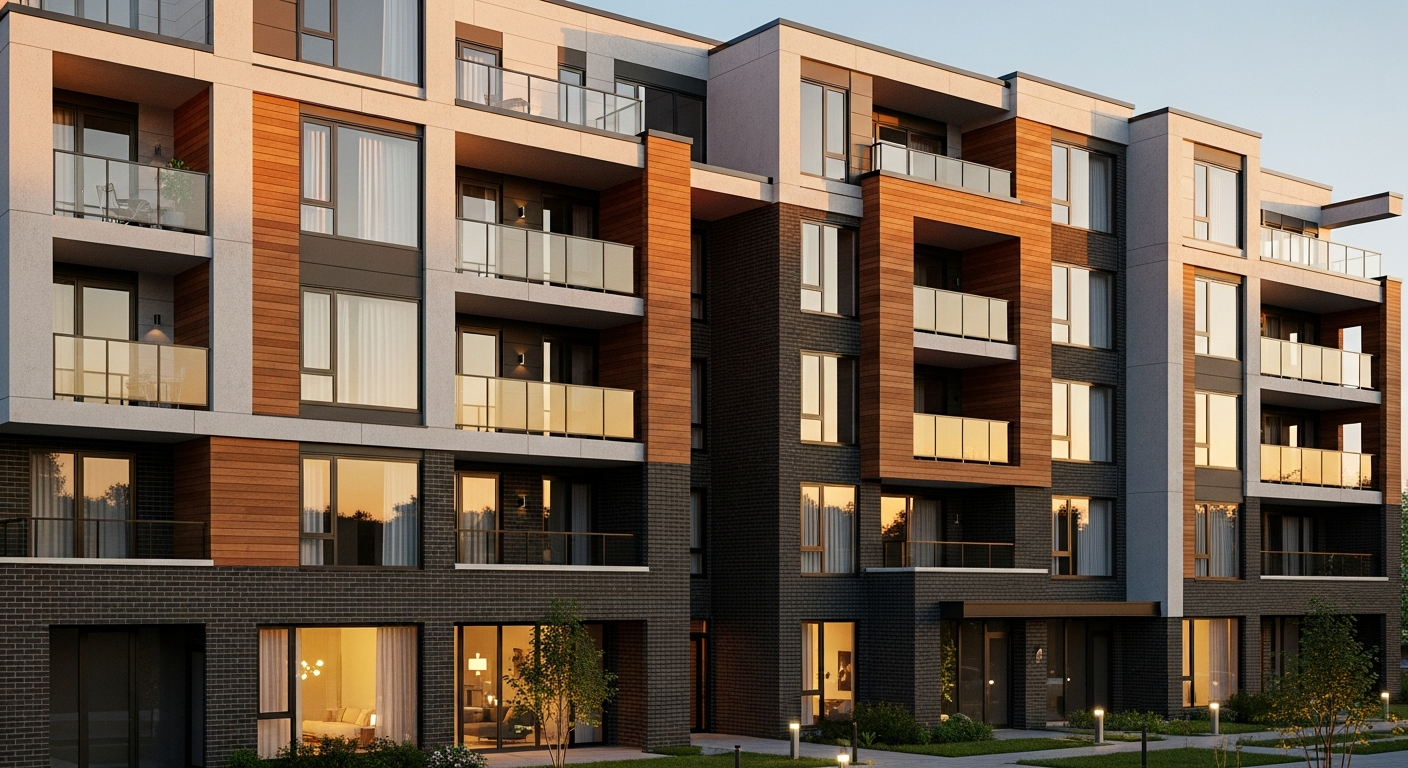
In Thailand, multi-family refers to residential properties like apartment or condominium complexes containing multiple separate living units owned by one or more parties, designed to house several households on the same property. These units typically share common areas and are registered under specific laws allowing individual ownership with joint ownership of shared spaces. Common examples include duplexes, triplexes, or larger condo buildings.
The Thai Legal Context
⏱️ Estimated Reading Time: 4 minsGoverned by the Condominium Act B.E. 2522, registration with the Land Department mandates at least 5 units for condo status. Thai citizens can own multi-family land-based properties outright, while foreigners are restricted to condo units up to a 49% foreign ownership quota. Unlike Western markets where buyers expect to own land with a duplex, foreigners in Thailand cannot own the land underlying multi-family houses. Unaware buyers may face issues like oversubscribed foreign quotas or disputes in unregistered multi-unit buildings. AMLO also monitors foreign transactions for money laundering compliance.
Authored and verified by the REMAX Thailand Editorial Team to ensure local expertise and reliability.
Benefits & Risks
Advantages
- Multiple rental units provide diversified income streams (e.g., 4-8% yields in Bangkok).
- Shared amenities reduce per-unit maintenance costs via economies of scale.
- Professional juristic persons ensure easier management in registered condos.
Risks & Disadvantages
- Foreign quota limits investment access in popular buildings.
- High maintenance fees and vacancy risks in oversupplied markets.
- Legal complexities and disputes in unregistered multi-unit buildings.
Showcase: How It Works
Let’s look at a real-world scenario to understand how Multi-Family is applied during a property transaction.
The Scenario
- A foreign investor buys a 2-unit duplex-style condo in Bangkok for THB 10M.
- Pays 2% transfer fee (split), 3.3% Specific Business Tax, and a 5% sinking fund.
- Investor rents out units for THB 40k/month each after confirming the 49% foreign quota.
The Result
Generating THB 960,000 annually with THB 150,000 in yearly fees.
Outcome:Net yield ~7% Return on Investment.
Multi-Family vs. Single-Family
A quick breakdown of how this term compares to its closest alternative.
| Feature | Multi-Family | Single-Family |
|---|---|---|
| Foreign Ownership | Allowed (up to 49% quota in condos) | Banned for land/houses |
| Income Potential | 5-8% rental yields | 3-5% rental yields |
| Property Management | Juristic person handles shared costs | Full owner responsibility |
Frequently Asked Questions
Can foreigners buy multi-family homes in Thailand?
Yes, but only registered condo units within the 49% foreign quota. Land-based properties like townhouses require risky workarounds.
What's the minimum units for a Thai multi-family condo?
At least 5 units are required per the Condominium Act for registration and individual titles.
How are fees split in multi-family sales?
The transfer fee (2% of appraised value) is typically split between buyer and seller, while the seller pays the Specific Business Tax or Stamp Duty.
Related Terms
Why It Matters
Ignoring multi-family nuances like foreign quotas or registration can block ownership or trap investments in untitleable properties, costing deposits and legal fees.
💡 REMAX Pro Tip
Always demand a full Land Department title search and juristic person quota check before signing any multi-family deal—REMAX agents provide this to flag issues early.
Need more help?
Our expert agents and AI are ready to assist you.
Ask Line AI Ask WhatsApp AIFind an Agent