Back to Real Estate Definitions
Contractual Right, Purchase Option
What is Real Estate Option in Thailand?
Fact-checked by a REMAX Thailand Real Estate Expert
The Definition
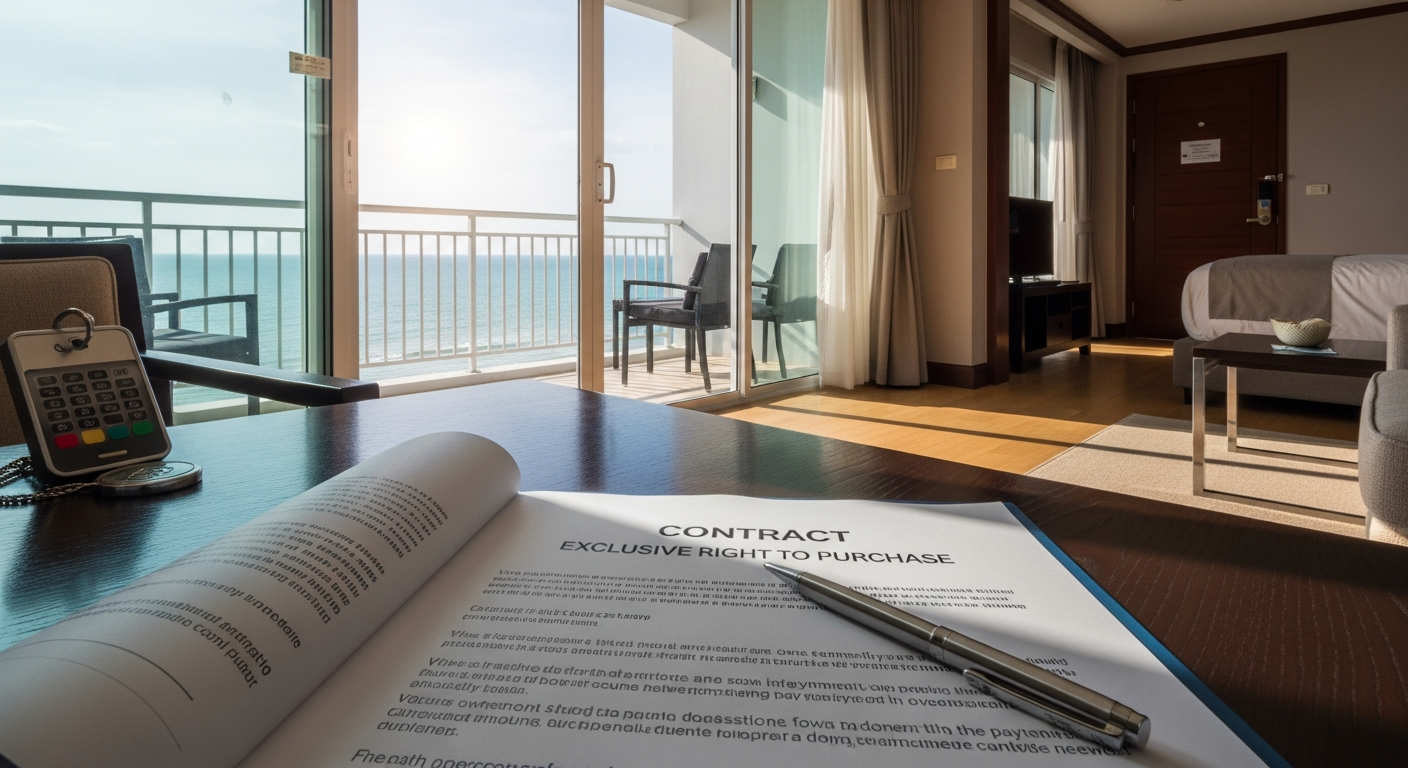
In the Thailand property market, an option is a contractual right granting the buyer (optionee) the exclusive ability to purchase a property at a predetermined price within a specified timeframe. The seller (optionor) must hold the property during this period. The buyer pays a generally non-refundable fee for this right but has no obligation to purchase. It provides flexibility for due diligence like financing or inspections.
The Thai Legal Context
Governed by the Thai Civil and Commercial Code (CCC), options in Thailand are treated as personal promises rather than transferable real rights. This makes them vulnerable to termination upon the seller's death or property transfer. Unlike robust Western contracts, Thai courts may deem long-term promises non-binding. Foreigners face indirect restrictions since they cannot own land outright, making options more common in lease structures like 30-year land leases. Options must be in writing with clear duration, consideration, and terms, often requiring notarization or witnesses to be valid.
Benefits & Risks
Advantages
- Allows buyers 3-12 months for due diligence, like title searches or financing, without full commitment.
- Secures properties in competitive markets, giving exclusive rights while hedging against price rises.
Risks & Disadvantages
- Non-refundable fee loss if the buyer walks away, amplifying costs in failed deals.
- Personal nature means termination on seller's death or property sale; limited legal remedies in Thai courts.
Showcase: How It Works
Let’s look at a real-world scenario to understand how Real Estate Option is applied during a property transaction.
The Scenario
- Foreign expat signs a 6-month option agreement for a 5M THB Hua Hin condo.
- Pays a 100K THB non-refundable fee for exclusive right to buy at the locked price.
- Buyer conducts inspections and secures BOI financing while the seller holds the property.
The Result
In May, the buyer exercises the option, crediting the 100K THB fee toward the down payment, and completes the transfer.
Outcome:Buyer secures property at 5M THB fixed price amid a 10% market rise, saving 500K THB.
Frequently Asked Questions
Is the option fee refundable if I change my mind?
No, it is non-refundable consideration for the exclusive right, but it is often credited toward the down payment if you proceed with the purchase.
Can foreigners use options for land leases?
Yes, they are common in 30-year leases, but renewal options are personal promises, not protected lease rights, and can be difficult to enforce post-term.
What happens if the seller sells the property during the option period?
This breach allows for a damages claim under the Civil and Commercial Code, though proving and enforcing it in Thai courts can be challenging and costly.
Related Terms
Why It Matters
Ignoring options exposes buyers to fee losses and deal theft in Thailand's fluid market, while sellers risk undervalued holds during booms. Mastering this protects investments by enabling due diligence without full risk, crucial for high-stakes expat buys like condos or leases.
💡 REMAX Pro Tip
Always cap option terms at 90 days, pay fees via lawyer escrow, and pair with a notarized MOU specifying Thai law jurisdiction to avoid common disputes.
Need more help?
Our expert agents and AI are ready to assist you.
Ask Line AI Ask WhatsApp AIFind an Agent