Back to Real Estate Definitions Fact-checked by a REMAX Thailand Real Estate Expert
Financial Obligation
What is Reserve Fund Allocation in Thailand?
The Definition
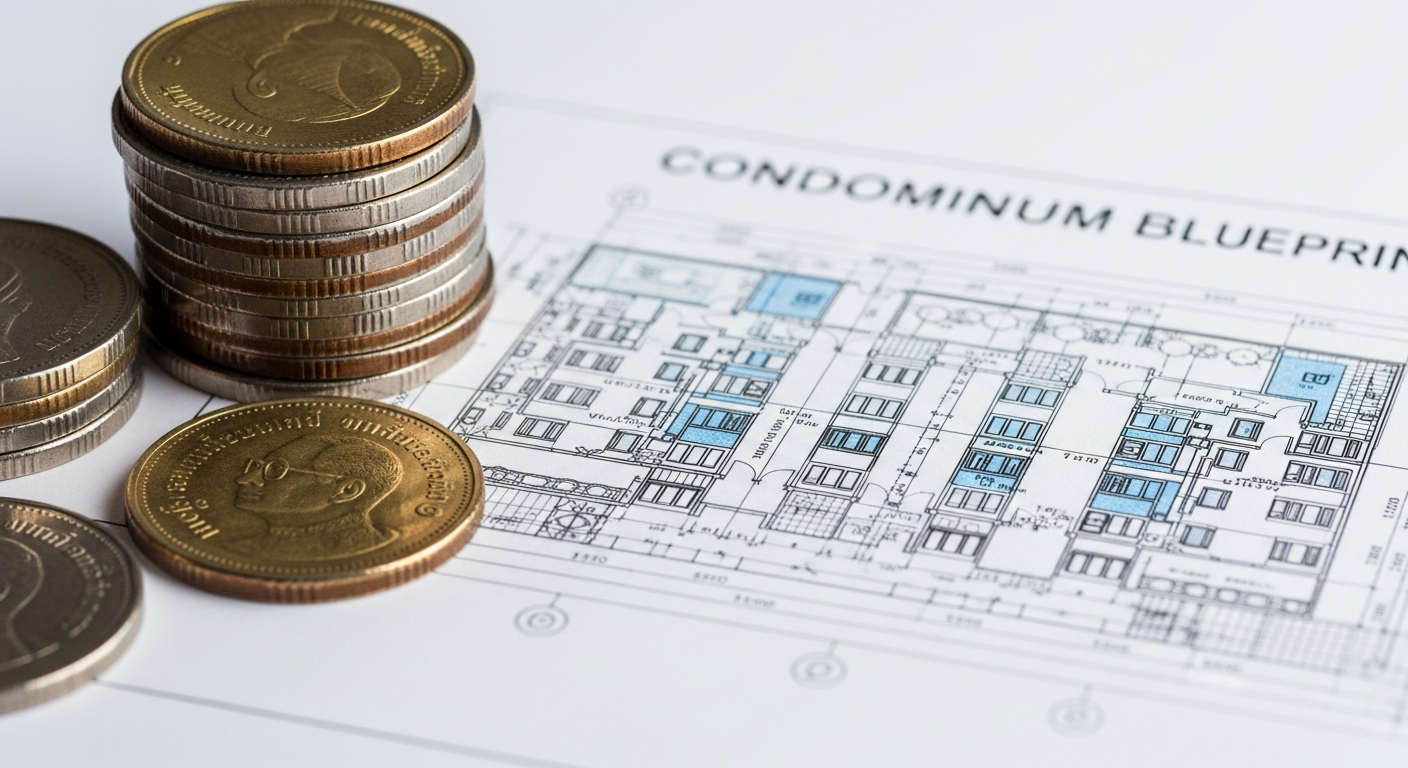
In Thailand, the Reserve Fund Allocation—commonly known as the Sinking Fund—is a mandatory reserve contribution for new condominium owners, calculated per square meter of the unit (typically 400-800 THB/sqm for standard projects) to cover major future expenses like structural repairs, repainting, and equipment replacement. This one-time upfront payment by the first buyer establishes a collective fund managed by the condominium juristic person, non-refundable upon resale, with replenishments requiring owner approval.
Global Expectations vs. Thai Reality
Western buyers might expect a refundable deposit or pro-rated annual contributions to a reserve fund. However, in Thailand, it is a non-refundable, upfront lump sum tied exclusively to new units, often not required for resales since the original owner already paid. Liability is collective via the juristic person, with no personal refunds, contrasting Western models where funds might be transferable or recoverable upon sale; Thai practice emphasizes building longevity over individual equity.
The Problem It Presents
Buyers of new condos face an unexpected large upfront cost (e.g., 400,000+ THB for a 100 sqm unit), inflating total purchase expenses beyond the quoted price, often overlooked in marketing. Non-refundability means losing the contribution upon resale, with no credit toward the buyer, potentially reducing resale value perception. Poor management or depletion without transparency can lead to forced special assessments, straining owners financially.
Foreigner vs. Thai Citizen Rules
The sinking fund obligation applies equally to foreigners and Thai citizens owning condo units, as it's tied to unit ownership under the Condominium Act, not nationality. Foreigners must remit these funds via the Foreign Exchange Transaction Form (FET) just like the purchase price. No differential treatment exists for the fund itself, though foreigners verify quotas at Land Offices.
The Thai Legal Context
Governed by the Condominium Act B.E. 2522 (1979), particularly Sections 40 and 46, which mandate joint owners contribute to funds for juristic condominium expenses, including startup funds. The fund's rules, ratios, and changes (e.g., increases) must be approved by a 3/4 majority of owners and registered with the Land Department; the manager oversees it, with emergency funds needing similar approval.
Benefits & Risks
Advantages
- Ensures long-term building maintenance, preventing sudden special assessments for major repairs.
- Provides financial security for expensive one-off works like roof replacement, managed collectively.
- Upfront payment by first owners stabilizes the fund early, benefiting all future residents.
Risks & Disadvantages
- Non-refundable nature hits sellers with no recovery, making new units costlier upfront than resales.
- Variable rates and potential replenishments via 3/4 vote can lead to unpredictable future costs.
- Risk of mismanagement or unauthorized use, as funds are held by the manager pending assembly approval.
Showcase: How It Works
Let’s look at a real-world scenario to understand how Reserve Fund Allocation is applied during a property transaction.
The Scenario
- A foreign expat buys a new 80 sqm luxury condo in Bangkok for 8 million THB.
- Sinking fund rate is 600 THB/sqm, totaling 48,000 THB paid upfront.
- Years later, owners approve a 20% replenishment (9,600 THB) for elevator replacement via 3/4 vote.
The Result
The owner secures major repairs without loans but faces the initial lump sum and potential future calls.
Outcome: Total Cost: 48,000 THB initial + future calls
Reserve Fund Allocation vs. Monthly Maintenance Fees
A quick breakdown of how this term compares to its closest alternative.
| Feature | Reserve Fund Allocation | Monthly Maintenance Fees |
|---|---|---|
| Calculation Frequency | One-time (400-800 THB/sqm) | Monthly (30-60 THB/sqm) |
| Primary Purpose | Major Capital Repairs | Daily Operations |
| Refundability & Governance | Non-refundable; 3/4 vote | Proportional; Annual adjustments |
Frequently Asked Questions
Is the sinking fund required for resale condos?
No, secondary buyers usually skip it since the original owner paid; confirm via management or Land Office records.
How is the rate determined and can it change?
Set per project (e.g., 400-800 THB/sqm), with increases needing 3/4 owner vote and Land Office registration.
What if the fund runs low for repairs?
Emergency or replenishment calls require 3/4 approval at a general meeting; review proposals before voting.
Do foreigners pay differently?
No, same rate applies, but pair with FET for funds and check 49% quota.
Can I get my contribution back?
No, it's permanent for the building's reserve, non-transferable even on sale.
Related Terms
Why It Matters
Ignoring reserve fund allocation exposes buyers to hidden upfront costs and future levies that erode investment returns, while ensuring the fund protects against building deterioration.
💡 REMAX Pro Tip
Always request the latest sinking fund balance and by-laws from the juristic manager pre-offer—aim for projects with >500 THB/sqm rates for premium builds.
Common Misconceptions
Myth: The sinking fund is refundable or transferable when selling the unit.
Reality: It's a non-recoverable contribution to the collective reserve; resale buyers typically don't pay it again.
Myth: All condo buyers, including resales, must contribute equally.
Reality: Only first buyers of new units pay upfront; secondary market purchases often exempt it.
Need more help?
Our expert agents and AI are ready to assist you.
Ask Line AI Ask WhatsApp AI Find an Agent