Back to Real Estate Definitions
LEGAL & TITLES
What is Transfer of Possession Rights in Thailand?
Fact-checked by a REMAX Thailand Real Estate Expert
The Definition
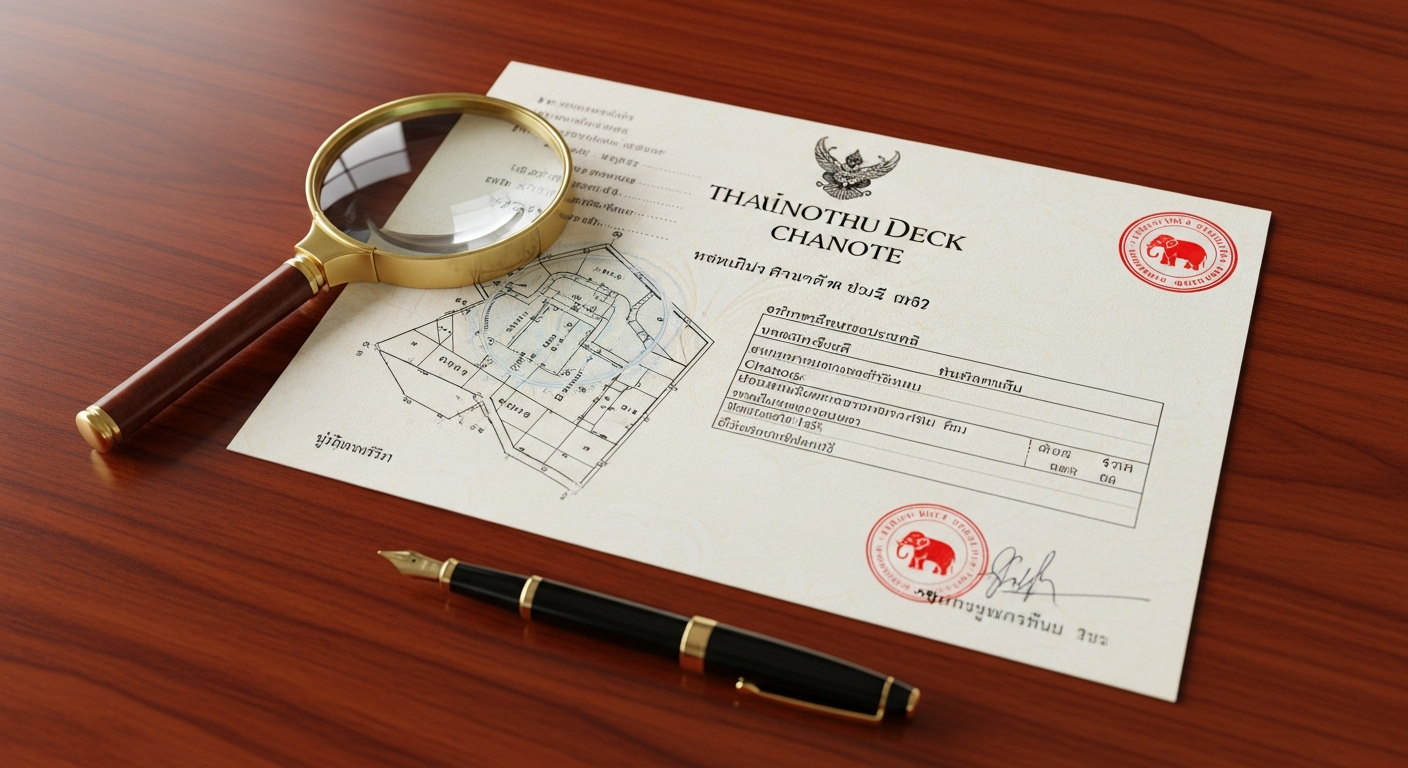
The official legal process where a buyer and seller finalize a property transaction at the Thai Land Department. It involves the formal registration of the new possessor's name on a specific land title deed (such as a Chanote or Nor Sor 3), legally transferring the recognized rights of the property from one party to another under Thai jurisdiction.
Global Expectations vs. Thai Reality
While global property transfers might sometimes occur through a simple exchange of deeds, private contracts, or escrow services, Thai reality dictates that both parties (or their legally authorized representatives) must physically appear in person at the local Land Office. Furthermore, the specific type of land title dramatically alters the legal rights being transferred and the required timeline.
The Problem It Presents
Misunderstanding the nuances of Thai land titles can lead to severe delays or entirely invalid transactions. For instance, transferring lower-tier titles like Nor Sor 3 can take significantly longer due to mandatory public notice requirements. Most critically, failing to secure written spousal consent for the transaction can instantly void the entire process.
Foreigner vs. Thai Citizen Rules
Foreigners are broadly prohibited from registering full freehold ownership of land in Thailand. Instead, they typically secure possession rights via long-term registered leases (up to 30 years) at the Land Department. Conversely, Thai citizens can seamlessly register outright ownership and full possession rights directly on freehold title deeds like the Chanote.
The Thai Legal Context
Under Section 1476 of the Thai Civil and Commercial Code, significant property transactions mandate explicit written spousal consent to be considered valid. The transfer of possession is only legally formalized when the official Land Officer strictly reviews the transaction, approves it, and physically registers the new possessor's name on the recognized title deed.
Benefits & Risks
Advantages
- Legally secures your financial investment under official Thai law.
- Clarifies exact property boundaries and legal usage rights upon registration.
Risks & Disadvantages
- Can involve bureaucratic delays, especially with lower-tier titles like Nor Sor 3.
- Strict requirement for physical presence or formal, highly specific Power of Attorney.
Showcase: How It Works
Let’s look at a real-world scenario to understand how Transfer of Possession Rights is applied during a property transaction.
The Scenario
- A buyer agrees to purchase a property held under a Nor Sor 3 title deed.
- Both parties prepare all required documentation, strictly including mandatory spousal consent.
- They present the completed paperwork to the official at the local Thai Land Department.
The Result
The Land Officer reviews the paperwork. Since it is a Nor Sor 3 title, an extra verification or public notice period may be enforced. Once approved, the new possessor's name is legally registered on the document.
Outcome:Official transfer complete and legal possession secured.
Possession Rights vs. Absolute Ownership (Chanote)
A quick breakdown of how this term compares to its closest alternative.
| Feature | Possession Rights | Absolute Ownership (Chanote) |
|---|---|---|
| Legal Status | Right to possess and utilize | Full freehold ownership |
| Transfer Speed | Can face public notice delays (up to 30 days) | Usually completed same-day |
| Boundary Accuracy | Often measured by physical landmarks | Exact GPS satellite survey markers |
Frequently Asked Questions
Do I need to go to the Land Office in person?
Yes, both the buyer and seller must appear at the Land Department or authorize strict legal representation via a specific and formal Power of Attorney.
What is Section 1476 of the Thai Civil Code?
It is a critical Thai law requiring spouses to provide explicit written consent for significant property transactions, including transfers, to ensure legal validity.
Does transferring possession mean I own the land?
In Thailand, possession rights (often tied to Nor Sor 3) differ from absolute ownership (Chanote). You have the legally protected right to use it, but full ownership requires a specific title upgrade.
Can foreigners hold possession rights?
Foreigners cannot own land directly but can legally hold registered possession rights through long-term leases (up to 30 years) or usufructs registered at the Land Office.
How long does the transfer take?
If all documents and spousal consents are perfect, Chanote transfers are usually completed same-day. Nor Sor 3 transfers may take up to 30 days due to required public notice periods.
Related Terms
Free Guide
Download "Transfer Completion Guide" to learn more and navigate safely.
Get the FREE PDF GuideWhy It Matters
Properly transferring possession rights at the official Thai Land Office ensures your financial investment is legally recognized, registered, and protected under national jurisdiction.
💡 REMAX Pro Tip
Always secure explicit written spousal consent from the seller before paying any major deposits, as Section 1476 strictly enforces this for legal transaction validity.
Common Misconceptions
Myth: Handing over the title deed transfers possession.
Reality: The transfer is only legally valid once formally approved and registered by an official at the Land Department.
Myth: Foreigners can just put the land in a Thai friend's name.
Reality: This is an illegal nominee structure. Legally registered long-term leaseholds are the compliant way to hold possession rights.
Need more help?
Our expert agents and AI are ready to assist you.
Ask Line AI Ask WhatsApp AIFind an Agent