Back to Real Estate Definitions Fact-checked by a REMAX Thailand Real Estate Expert
Legal Document
What is Certificate in Thailand?
The Definition
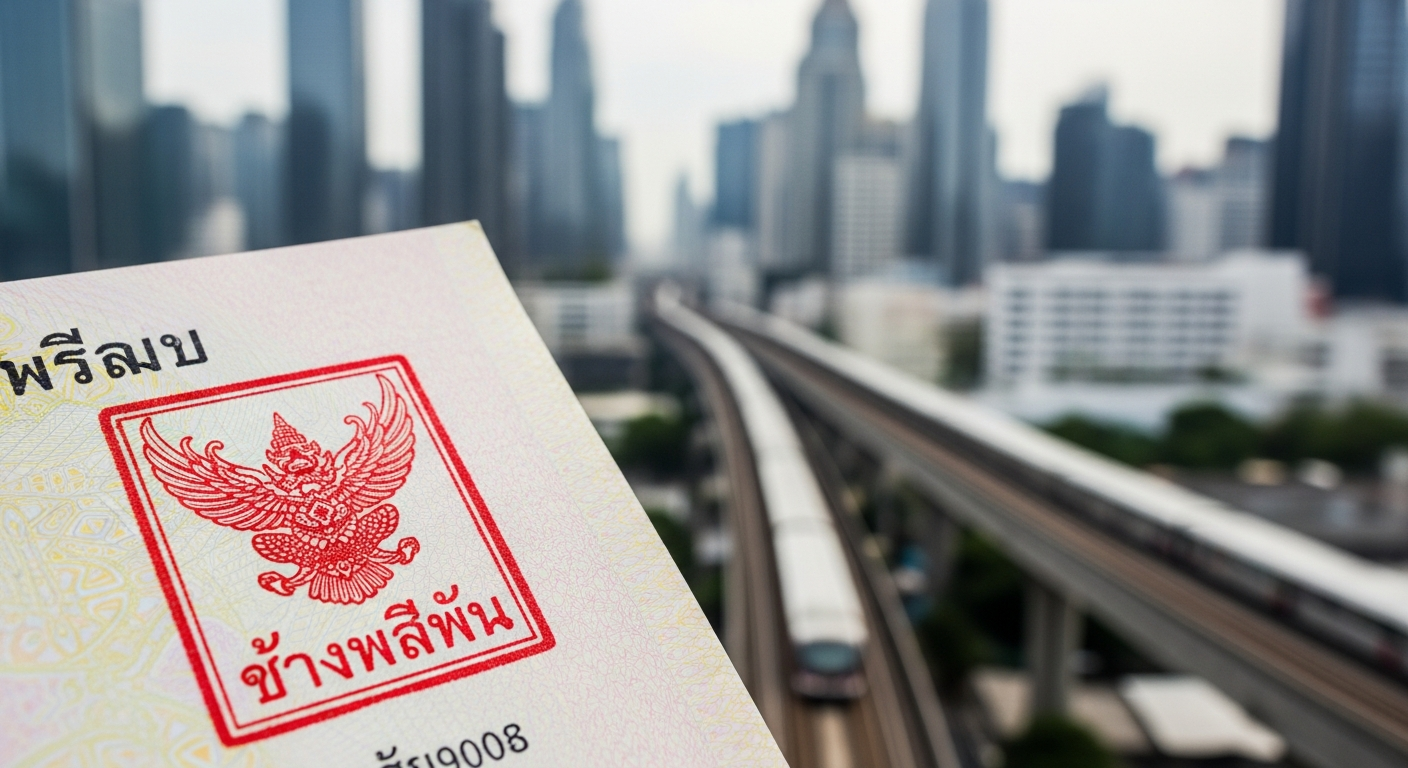
In the Thailand property market, a Certificate most commonly refers to the Chanote (Nor Sor 4 Jor), the highest form of land title deed issued by the Department of Lands. It serves as an official certificate of full ownership with precise GPS-surveyed boundaries and a red Garuda stamp for authenticity, granting complete legal rights to use, sell, lease, or mortgage the land without restrictions.
Global Expectations vs. Thai Reality
Western buyers often expect a single, standardized "title deed" like a U.S. warranty deed guaranteeing clear title via abstract searches. However, in Thailand, title types vary widely in security. The Chanote is the gold standard, while lesser deeds like Nor Sor 3 carry upgrade risks and boundary disputes. Unlike Western systems with title insurance, Thai practice relies on Land Office verification, and forged Garuda stamps or unupgraded titles can invalidate ownership.
The Problem It Presents
Buyers unaware of title variations may purchase lesser deeds mistaken for Chanote, leading to disputes over unclear boundaries and costly upgrades. Sellers with name discrepancies face transfer delays without certified documents, incurring extra notarization fees. Foreigners risk voided deals if assuming Chanote land ownership is possible, triggering legal battles or fund freezes under AMLO scrutiny.
Foreigner vs. Thai Citizen Rules
Thai citizens can hold Chanote titles for land outright with full rights. Foreigners cannot own land via Chanote but can own condo units (up to 49% foreign quota per building) with a similar ownership certificate, or use structures like usufruct/leasehold on Chanote land, per the Foreign Business Act and Condominium Act B.E. 2522.
The Thai Legal Context
Governed by the Land Code B.E. 2497 (amended), the Department of Lands issues and registers Chanote titles after GPS surveys. The Revenue Department assesses transfer fees during transfers, while AMLO screens high-value transactions. Local Land Offices handle registrations, requiring original documents and POA forms like Tor.Dor. 21 for non-residents.
Benefits & Risks
Advantages
- Provides full, indisputable ownership with precise boundaries, minimizing disputes in sales/transfers.
- Enables easy registration of mortgages, leases, or usufructs, boosting financing and rental yields.
- Highest resale value; properties with Chanote command 10-20% premiums over inferior titles.
Risks & Disadvantages
- Rare for undeveloped land, driving up prices in high-demand areas like Pattaya or Phuket.
- Forgery risks exist if lacking authentic red Garuda stamp, invalidating title at transfer.
- Upgrade from lesser titles involves surveys/fees (20,000-100,000 THB) and 3-6 month delays.
Showcase: How It Works
Let’s look at a real-world scenario to understand how Certificate is applied during a property transaction.
The Scenario
- A Thai buyer purchases a 500 sqm residential plot in Pattaya for 5,000,000 THB from a seller holding a Chanote title.
- Seller presents original Chanote (with Garuda stamp), passport, marriage certificate; buyer submits passport copy and pays fees.
- Process takes 1-2 hours after document check and POA verification.
The Result
The transfer is processed at the local Land Office, with the Revenue Department assessing a 2% transfer fee, 0.5% stamp duty, and withholding tax.
Outcome: New Chanote issued in buyer's name; net buyer cost beyond price: ~175,000 THB in fees/taxes.
Chanote (Nor Sor 4 Jor) vs. Nor Sor 3 Gor
A quick breakdown of how this term compares to its closest alternative.
| Feature | Chanote (Nor Sor 4 Jor) | Nor Sor 3 Gor |
|---|---|---|
| Ownership Security | Full GPS-boundaried title | Non-transferable without upgrade, dispute-prone |
| Transfer Ease | Immediate sale/lease | Requires 30-day notices & approval |
| Foreigner Access | Supports 30-year leases | Rarely used for foreigners |
Frequently Asked Questions
Is Chanote the only safe title for buying land?
Yes, it's the gold standard with full rights; avoid lesser deeds unless upgrading with Land Office assistance.
How do I verify a Chanote's authenticity?
Check for red Garuda stamp, GPS map, and Land Office confirmation—no digital versions suffice for transfers.
Can foreigners get a Chanote for condos?
Yes, foreigners own condo units via Chanote equivalents up to 49% building quota, fully transferable.
What if names on Chanote don't match ID?
Provide notarized marriage/divorce certificates (translated, ~3,000 THB) to align before transfer.
How long to upgrade a lesser title to Chanote?
3-12 months with surveys (20,000-100,000 THB), faster via professional surveyors.
Related Terms
Free Guide
Download "Transfer Completion Guide" to learn more and navigate safely.
Get the FREE PDF GuideWhy It Matters
Insisting on a verified Chanote protects against boundary fraud and ensures smooth resale or financing, potentially saving millions in disputes. Without it, buyers inherit seller liabilities like encroachments.
💡 REMAX Pro Tip
Always demand the original Chanote with intact Garuda stamp at viewing—photocopies hide forgeries; have your REMAX agent run a free Land Office search pre-offer to confirm no mortgages or disputes.
Common Misconceptions
Myth: All Thai "title deeds" offer equal ownership security
Reality: Only Chanote (Nor Sor 4 Jor) provides full rights; others like Nor Sor 3 are possessory with sale restrictions and boundary ambiguities.
Myth: Foreigners can buy Chanote land via companies
Reality: Thai companies with majority Thai ownership are often rejected by Land Offices as nominee schemes, risking seizure under Foreign Business Act.
Need more help?
Our expert agents and AI are ready to assist you.
Ask Line AI Ask WhatsApp AI Find an Agent