Back to Real Estate Definitions
Property Type
What is Condo vs Apartment in Thailand?
Fact-checked by a REMAX Thailand Real Estate Expert
The Definition
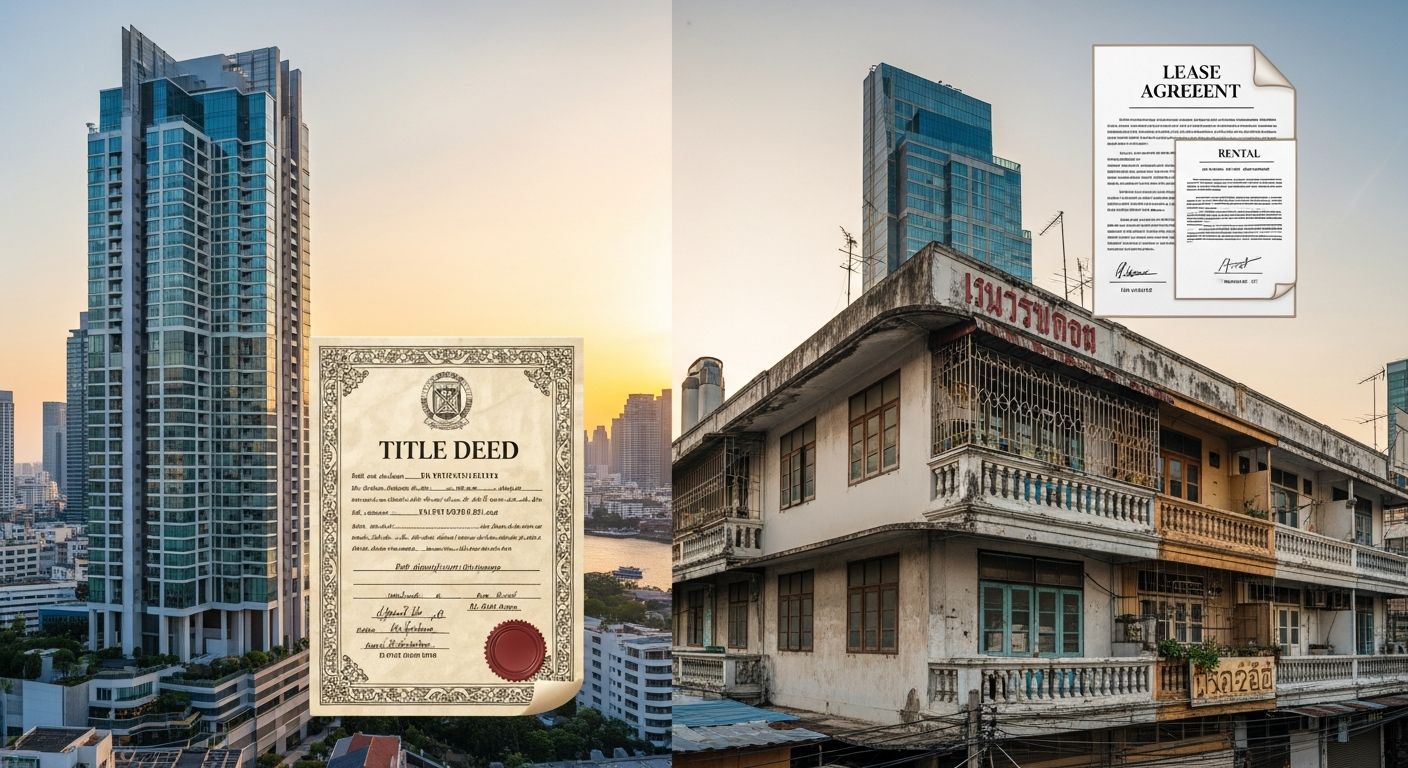
In Thailand, a condominium (condo) is a building registered under the Condominium Act B.E. 2522 with the Department of Lands, allowing individual freehold ownership of units and joint ownership of common areas like pools and land. An apartment, by contrast, is a leasehold property where the building is owned by a single entity (e.g., developer), and occupants hold only possession rights via lease contracts, typically up to 30 years, without title deeds or co-ownership. This distinction is critical as only condos offer true ownership transferable by sale or inheritance.
Global Expectations vs. Thai Reality
Western buyers often expect "apartments" and "condos" to be interchangeable terms for owned multi-unit buildings, but in Thailand, "apartment" strictly means rental/leasehold without ownership, while "condo" requires government licensing for freehold units. Unlike in the US or Europe where condos imply strata-titled ownership with fees, Thai apartments impose stricter landlord controls and no customization rights, and leases end on the tenant's death or fixed term. Foreigners may assume all multi-unit buildings allow ownership, overlooking that unlicensed apartments mimic condos visually but legally offer no title.
The Problem It Presents
Buyers mistaking apartments for condos lose ownership rights, facing lease expiration or termination on death without inheritance transfer. Unlicensed apartments incur unexpected housing/land taxes paid indirectly via rent hikes, plus no say in management amid strict rules. Foreigners risk investing in "apartments" sold as condos, hitting the 49% quota barrier or lacking title deeds for resale.
Foreigner vs. Thai Citizen Rules
Foreigners can own condo units freehold if foreign ownership stays under 49% of the building's saleable area, per the Condominium Act, but cannot own apartments as they are leasehold only. Thai citizens face no quota and can own unlimited condo units or entire apartment buildings. Leases in apartments allow foreigners without quotas but max 30 years initially, renewable up to 90 years total.
The Thai Legal Context
Condominiums are governed by the Condominium Act B.E. 2522 (Sections 1-5), defining them as buildings enabling separate ownership of units ("apartments") and joint ownership of common property, registered with the Department of Lands for individual title deeds. Apartments fall under general lease laws, requiring lease registration with the Land Department for terms over 3 years, and are subject to housing and land tax by the owner. No specific apartment licensing exists, making them private contracts without consumer protections of the Condo Act.
Benefits & Risks
Advantages
- Full freehold ownership with title deeds, allowing sale, mortgage, or inheritance without time limits.
- Joint control of common areas via democratic juristic person management.
- Exempt from housing/land tax for owner-occupied units; foreigners eligible up to 49% quota.
Risks & Disadvantages
- Ongoing maintenance fees and sinking funds shared among owners.
- Foreign quota limits availability in popular projects.
- Requires Condo Act compliance for legal protections, or risk unlicensed status.
Showcase: How It Works
Let’s look at a real-world scenario to understand how Condo vs Apartment is applied during a property transaction.
The Scenario
- A foreign expat buys a 50 sqm studio condo unit in Bangkok's Sukhumvit for 3,500,000 THB.
- Confirms <49% foreign quota at the Land Department.
- Splits transfer fees (2% buyer share) and specific business tax (3.3%) with seller.
The Result
The title deed is issued in 1-2 weeks post-registration. They co-own common areas, pay monthly maintenance fees to the juristic person, and resale value appreciates yearly.
Outcome:Freehold ownership secured; no lease renewal needed.
Condo vs Apartment vs. Leasehold (Apartment)
A quick breakdown of how this term compares to its closest alternative.
| Feature | Condo vs Apartment | Leasehold (Apartment) |
|---|---|---|
| Ownership Structure | Freehold Title Deed (Chanote) | Leasehold / Possession Only |
| Management Control | Owner-elected Juristic Person | Single Landlord Control |
| Foreigner Access | Up to 49% Freehold Quota | Unlimited but Lease Only |
Frequently Asked Questions
Can foreigners buy apartments outright?
No, apartments are leasehold only; foreigners can lease up to 30 years (renewable), but condos allow freehold up to 49% quota.
Do apartments have the same facilities as condos?
Often similar (pools, gyms), but no co-ownership—tenants follow landlord rules without input.
What taxes apply to condo vs. apartment owners?
Condo owners pay transfer fees/taxes on purchase but exempt housing tax if occupied; apartment landlords pay rental taxes passed to tenants.
Can I renovate an apartment unit?
No major changes without landlord approval; condo owners can customize interiors freely.
What if a building looks like a condo but isn't licensed?
It's an apartment—verify Condominium Act registration at Land Department to avoid lease pitfalls.
Related Terms
Why It Matters
Misunderstanding condo vs. apartment can trap buyers in non-ownable leases, eroding investment value through expiration or resale blocks. True condo ownership protects wealth via titles, tax perks, and control—essential for expats planning long-term residency or rental income.
💡 REMAX Pro Tip
Always demand the pink chanote title deed copy and confirm <49% foreign quota at the Land Office before deposit; skip if it's a "lease agreement" disguised as ownership.
Common Misconceptions
Myth: All multi-unit buildings in Thailand are condos offering ownership
Reality: Only Land Department-registered condos under the Condominium Act provide title deeds; others are leasehold apartments.
Myth: Apartments and condos are the same for renting
Reality: Condo rentals are from individual owners with potential flexibility, while apartments follow single-owner rules with limited tenant rights.
Need more help?
Our expert agents and AI are ready to assist you.
Ask Line AI Ask WhatsApp AIFind an Agent