Back to Real Estate Definitions
Property Type
What is Commercial Property in Thailand?
Fact-checked by a REMAX Thailand Real Estate Expert
The Definition
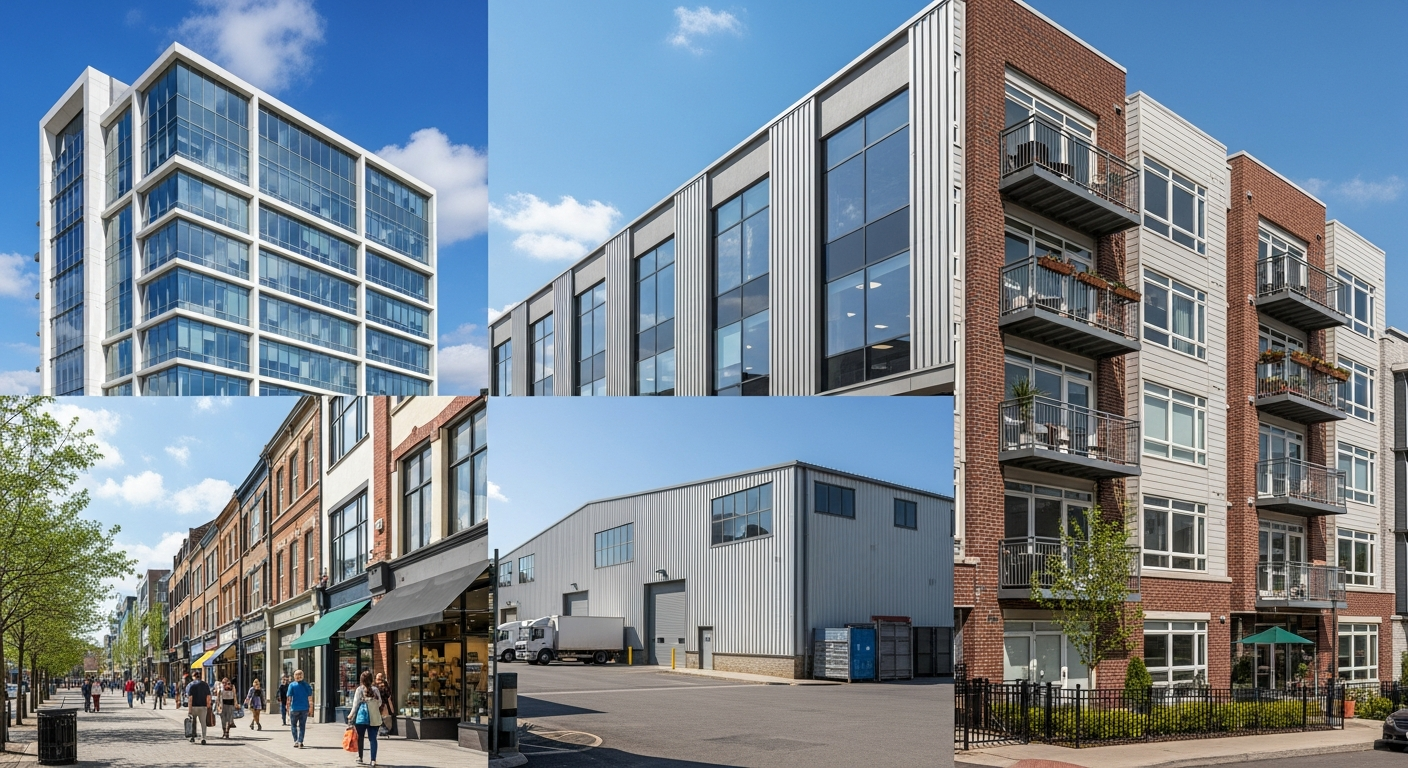
In Thailand, commercial property is real estate used primarily for business activity rather than private residential living, such as offices, retail shophouses, warehouses, factories, hotels, and mixed-use income assets.
The Thai Legal Context
Thailand handles commercial property across several legal regimes. Title and transfer are managed by the Department of Lands, while foreign ownership is restricted under the Land Code Act. Unlike residential properties, commercial assets intersect with the Civil and Commercial Code for leases, the Land and Building Tax Act for higher ongoing property taxes, and sector-specific licensing. For foreign buyers, owning land outright is generally prohibited. Instead, foreigners can own condominiums within the quota or hold rights via long-term registered leases (up to 30 years), usufructs, or superfices. Key challenges include annual commercial land taxes, lease-registration costs, zoning issues, and ensuring operating licenses are transferable, alongside strict scrutiny of nominee corporate structures.
Benefits & Risks
Advantages
- Generates rental income from tenants, operators, or business users, making it highly attractive for yield-focused investors.
- Offers value-add flexibility through redevelopment, repositioning, or strategic lease-structuring opportunities.
Risks & Disadvantages
- Strict foreign ownership limits dictate that non-Thais often must rely on leases or other rights rather than freehold land ownership.
- Triggers higher annual land-and-building tax rates and strict compliance risks with zoning, permits, and anti-nominee regulations.
Showcase: How It Works
Let’s look at a real-world scenario to understand how Commercial Property is applied during a property transaction.
The Scenario
- A Thai investor buys a shophouse in Bangkok for THB 18,000,000 for mixed commercial use.
- The land is classified as commercial, prompting an annual land-and-building tax based on a THB 14,000,000 appraised value.
- A foreign buyer must utilize a registered 30-year lease for the land while holding building rights separately.
The Result
The applicable commercial tax rate is 0.30% of the assessed value. For foreigners, ownership structures require non-freehold solutions with separate legal and registration costs.
Outcome:Tax Cost: THB 42,000/year
Frequently Asked Questions
Can a foreigner buy commercial property in Thailand outright?
Usually no, if the deal includes freehold land ownership. Foreigners are generally restricted from owning land directly, so most commercial acquisitions use leases, superficies, or vetted corporate structures.
Can a foreigner own the building even if they cannot own the land?
Yes, in many cases a foreigner can own the building or structure, while the land is held separately or leased. This is a common legal workaround but must be documented correctly.
Is commercial property taxed differently from residential property?
Yes. Under the Land and Building Tax framework, commercial and industrial use is taxed at a higher rate than many residential categories.
Related Terms
Why It Matters
Commercial property determines who can own it, how it is taxed, and what legal rights actually attach to the land and building. If a buyer gets the structure wrong, the result can be higher tax, weak enforceability, or even a deal that cannot be registered as intended.
💡 REMAX Pro Tip
Always separate the land title, building ownership, and operating license checklists. Many investors focus only on the purchase contract and miss a zoning or tax issue that can reduce the asset's real value.
Need more help?
Our expert agents and AI are ready to assist you.
Ask Line AI Ask WhatsApp AIFind an Agent