Back to Real Estate Definitions
Fact-checked by a REMAX Thailand Real Estate Expert
⏱️ Estimated Reading Time: 3 mins
Legal Term, Property Right
What is Grantee in Thailand?
The Definition
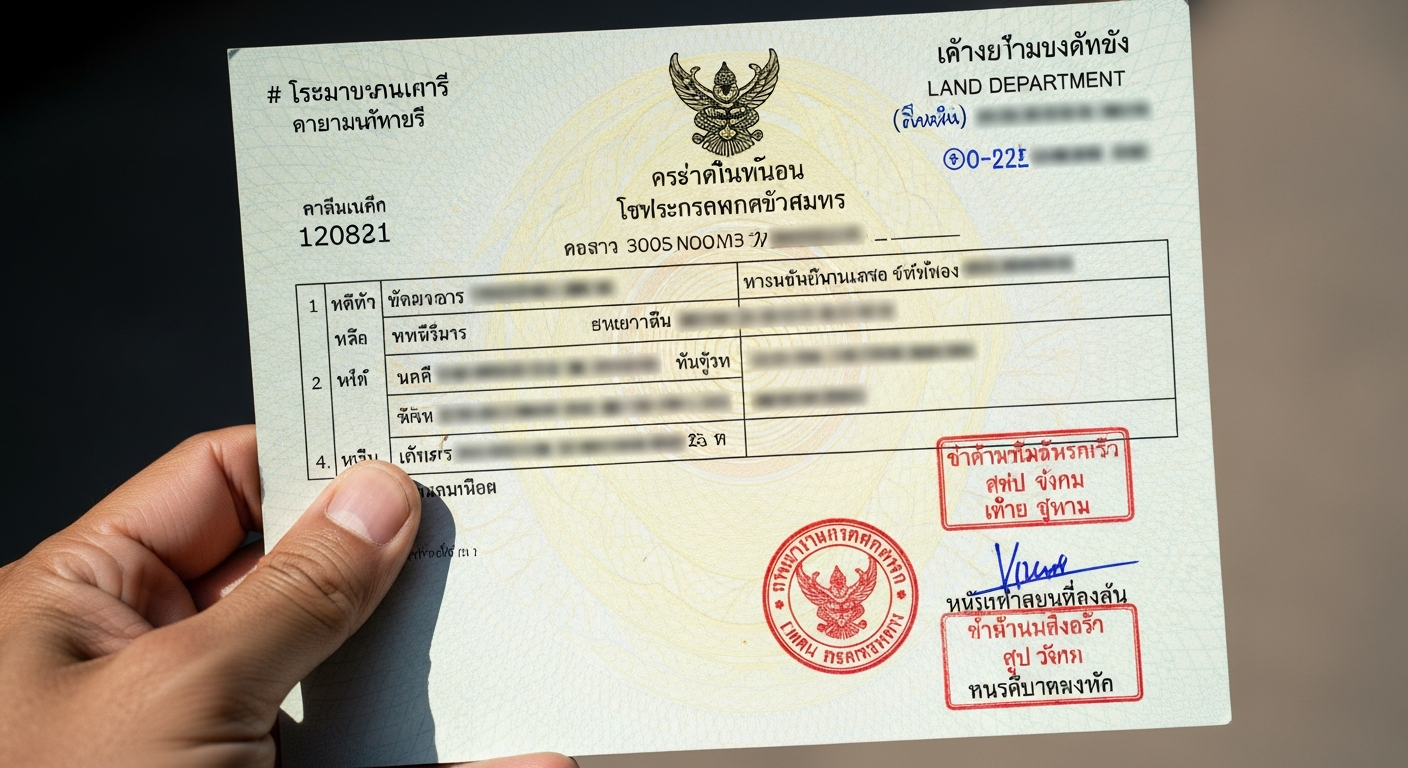
In the Thailand property market, a grantee is the person or entity who receives a specific real property interest, such as the right of habitation, usufruct, superficies, or servitude, conveyed from a grantor (property owner) and registered at the Land Department. This interest is noted on the title deed (e.g., Chanote or Nor Sor 3 Gor) and grants usage rights without full ownership transfer. Unlike outright freehold, these rights are limited in duration and scope, often up to 30 years or the grantee's lifetime.
Global Expectations vs. Thai Reality
Western buyers might expect a grantee role to imply full ownership transfer like a deed recipient in common law systems, but in Thailand, it typically means receiving a limited personal right (e.g., habitation for living only) rather than alienable property. Thai law emphasizes registration for enforceability, differing from unregistered trusts in some Western jurisdictions, and these rights cannot be inherited or freely sold. Foreigners can be grantees more easily than land owners, aligning with restrictions on foreign land ownership.
The Problem It Presents
Unregistered grants leave grantees unprotected, as Thai law requires Land Office endorsement for validity, potentially leading to eviction if the grantor sells the property. Grantees bear improvement costs without reimbursement, and limited terms (e.g., 30 years max for habitation) create uncertainty for long-term planning. Foreign grantees risk AMLO investigations if perceived as evading ownership rules.
Foreigner vs. Thai Citizen Rules
Foreigners can be grantees of rights like habitation or usufruct without land ownership bans, offering a workaround to the Land Code's foreign restrictions, while Thai citizens face no such limits but must register equally. These rights apply equally once registered, though foreigners' grants may trigger extra scrutiny for illegal nominee arrangements. Inheritance differs: habitation is non-transferable regardless of nationality.
The Thai Legal Context
Governed by the Civil and Commercial Code (CCC) Sections 1387 (servitude), 1402 (habitation), and related provisions for usufruct/superficies; registration is mandatory at the Department of Lands (Land Office) on the title deed per Land Code Section 59. The Revenue Department handles any associated taxes, while AMLO may scrutinize for nominee structures if foreigners are involved.
Benefits & Risks
Advantages
- Enables foreigners to secure living/use rights on land they can't own.
- No rent required for habitation, providing cost-free residence.
Risks & Disadvantages
- Non-transferable (e.g., no inheritance for habitation).
- Grantee funds improvements but can't recover costs from grantor.
Showcase: How It Works
Let’s look at a real-world scenario to understand how Grantee is applied during a property transaction.
The Scenario
- Thai landowner grants 30-year habitation to foreign child on Phuket villa.
- Registered at Land Office (5k THB fee + 0.01% tax).
- Grantee moves in rent-free but cannot sublet, sell, or inherit.
The Result
Grantee gains secured residency until 2056 or death; upon termination, rights revert to landowner.
Outcome:
Secured Residency
Grantee vs. Lessee (Leaseholder)
A quick breakdown of how this term compares to its closest alternative.
| Feature | Grantee | Lessee (Leaseholder) |
|---|---|---|
| Duration | Up to 30 years / Lifetime | 30 years (Renewable) |
| Transferability | Personal / Non-inheritable | Often transferable |
| Cost | Typically gratuitous (no rent) | Ongoing rent payments |
Frequently Asked Questions
Can foreigners be grantees of land rights?
Yes, foreigners can receive habitation or usufruct via registration, bypassing land ownership bans, but it must not mask nominee ownership.
What if the grant isn't registered?
Unregistered grants are unenforceable; the grantee has no legal claim against the owner or buyers.
Does a grantee pay taxes on the property?
No direct ownership taxes, but grantees may owe land/building taxes if possessing state land; grantors typically pay.
Can grantees make improvements?
Yes, but no reimbursement from grantor, even if enhancing value.
How to terminate a grantee right early?
Grantor gives reasonable notice if no fixed term; fixed terms run fully unless mutually agreed otherwise via Land Office.
Related Terms
REMAX Thailand Editorial Team
Expertly researched content verified by local real estate professionals.
Why It Matters
Misunderstanding grantee status exposes buyers to losing usage rights in sales or disputes, as only registered interests bind successors. Protecting investments demands verifying registration to avoid eviction or wasted improvements.
💡 REMAX Pro Tip
Always demand Land Office endorsement on the title deed before occupying; as your REMAX agent, I'll handle the 1-2 week registration process and flag any AMLO red flags for foreigners.
Common Misconceptions
Myth: Being a grantee means full ownership like a Western deed holder.
Reality: It conveys only limited use rights (e.g., habitation for residence only), not alienable title.
Myth: Grantee rights are automatically renewable indefinitely.
Reality: Renewals are capped at 30 years each and require new registration; lifetime grants end with the grantee.
Need more help?
Our expert agents and AI are ready to assist you.
Ask Line AI Ask WhatsApp AI Find an Agent