Official Entry Protocol 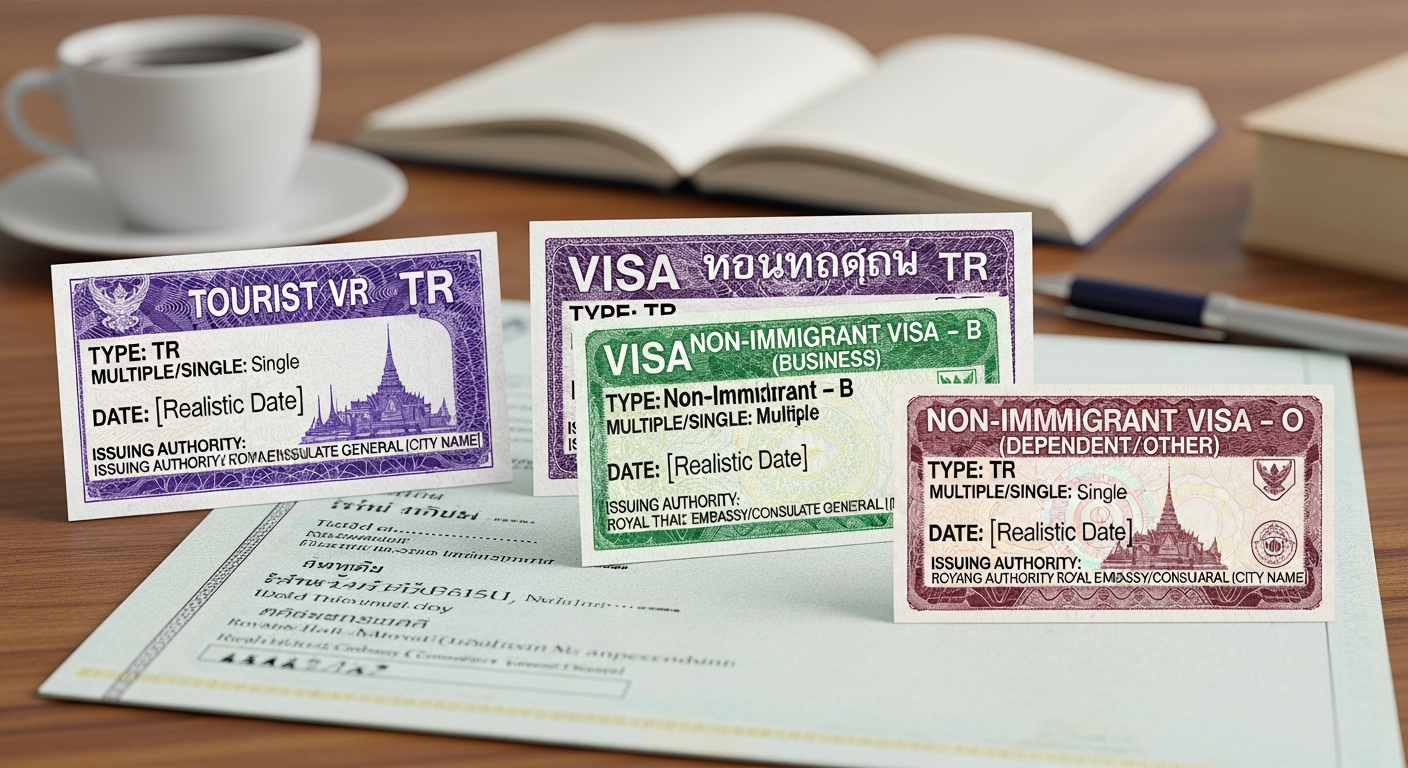
Thailand Diplomatic Visa
A highly specialized entry permit governed by international protocol and bilateral agreements. This visa is exclusively reserved for foreign dignitaries and accredited officials entering the Kingdom of Thailand on behalf of their respective governments.
Who is Eligible for a Diplomatic Visa?
The Thai Diplomatic Visa is issued strictly based on the applicant's official capacity and the type of passport they hold. It cannot be applied for by general tourists, business people, or standard expats. To be granted this visa, applicants must fall directly into one of the following official categories:
🏛️
Accredited Diplomats
Ambassadors, Ministers, Envoys, and formal diplomatic agents who are being posted to foreign embassies or consulates located within Thailand.
🌐
International Organizations
High-ranking executives and recognized officials of the United Nations (UN), ASEAN, or other major international agencies traveling on official UN Laissez-Passer or diplomatic passports.
👨👩👧👦
Immediate Family
The legal spouse and dependent children of the accredited diplomat, provided they are also traveling on recognized diplomatic passports.
Conditions & Privileges
Because this visa is tied to international diplomacy, it operates outside the normal boundaries of Thai immigration law. Those granted a Diplomatic Visa enjoy specific privileges not afforded to regular expatriates:
Duration of Stay
The initial visa is typically granted for a period of up to 90 days. Upon arrival and formal accreditation by the Thai Ministry of Foreign Affairs, the stay is extended for the full duration of the diplomatic posting.
Exemptions
Holders of Diplomatic Visas are generally exempt from the standard 90-day address reporting requirements that apply to other Non-Immigrant visa holders.
Crucial Distinctions in Official Travel
It is important to note that holding a government position does not automatically qualify you for a Diplomatic Visa. The Thai Ministry of Foreign Affairs strictly differentiates between entry permits:
- If you hold a Service or Official Passport (rather than a Diplomatic Passport) and are traveling for government duties, you must apply for an Official Visa.
- If you hold a Diplomatic Passport but are traveling to Thailand for a personal vacation or unofficial visit, you cannot use a Diplomatic Visa. Depending on bilateral agreements, you may require a Courtesy Visa or a standard Tourist Visa.
- For general overview and policies, please refer to our General Visa Information hub.
Note on Applications: Eligibility must be formally corroborated via a Note Verbal from the applicant's Ministry of Foreign Affairs, foreign embassy, or the relevant international organization, submitted directly to the Royal Thai Embassy or Consulate-General.
Eligibility FAQs
1. Can my domestic staff get a Diplomatic Visa?
No. Private servants or domestic staff of diplomatic personnel generally must apply for a specific Non-Immigrant Visa, as they do not hold diplomatic passports themselves.
2. Does this visa require an application fee?
In accordance with international diplomatic protocols, Diplomatic Visas are typically issued gratis (without a fee) to qualified applicants.
3. Can I import a vehicle tax-free on a Diplomatic Visa?
Yes, under specific international conventions and Thai customs regulations, accredited diplomats and embassies are generally permitted to import vehicles for official or personal use free of import duties, subject to strict Ministry of Foreign Affairs approval.
Disclaimer: The information provided in this guide is intended for general informational purposes only. Visa regulations and diplomatic protocols are highly dynamic and subject to change without prior notice. REMAX Thailand does not provide formal legal or immigration advice. For the most accurate, up-to-date, and legally binding information, always refer to the official website of the Ministry of Foreign Affairs, Kingdom of Thailand.
Explore More Visa & Immigration Guides
Select a category below to learn more about specific requirements, application processes, and how they relate to your property investments in Thailand.
ℹ️ General Visa Information
📍 Immigration Office Locations
✈️ Transit Visa (TS/S/C)
🏖️ Tourist Visa (TR/METV)
💼 Non-Immigrant Visa Overview
🏢 Non-Immigrant B Visa (Work)
🎓 Non-Immigrant ED Visa (Study)
🌴 Retirement Visas (O-A/O-X)
👨👩👧👦 Marriage & Family Visa (Non-O)
💻 Destination Thailand Visa (DTV)
🌟 Long-Term Resident (LTR)
👑 Thai Privilege Visa (Elite)
🏛️ Diplomatic Visa
📜 Official Visa
🤝 Courtesy Visa