Back to Real Estate Information
Why to Verify Buyers and Sellers Personal Identity
Real estate transactions in Thailand require strict identity verification to ensure legal compliance under Thailand's Land Code Act and the Personal Data Protection Act (PDPA). Validating a Thai National ID or foreign passport prevents fraud, secures mortgage approvals, and protects parties from severe financial liabilities during the property transfer process.
TL;DR - Quick Summary
- Thai law mandates identity verification via National ID or Passport to execute property transfers at the Land Department legally.
- Failing to verify identities exposes agents and clients to a 30% higher risk of commission disputes and severe fraudulent activities.
- Strict compliance with the PDPA is required when handling sensitive identification data during buying, selling, or leasing properties.
Strict Legal Requirements for Property Transfers in Thailand
Thailand's Land Code Act explicitly mandates that both buyers and sellers present authenticated identification to execute legal property transactions. A Thai National ID card or a valid international passport serves as the foundational document for verifying property ownership against official Chanote (Title Deeds). The Department of Lands will unconditionally reject any transfer of ownership, mortgage registration, or long-term lease exceeding 3 years if the involved parties cannot provide certified, verifiable copies of their identification. This process establishes a secure legal framework that safeguards the transaction against money laundering and fraudulent misrepresentation.
Beyond the Land Office, verified identification is critical for clearing tax obligations with the Revenue Department, including Specific Business Tax (3.3%), Withholding Tax, and Stamp Duty (0.5%). Real estate professionals must implement rigorous KYC (Know Your Customer) protocols early in the transaction lifecycle, typically during the initial Property Viewing Form or before finalizing an Exclusive Listing Agreement, to validate legal rights and uncover potential property encumbrances.
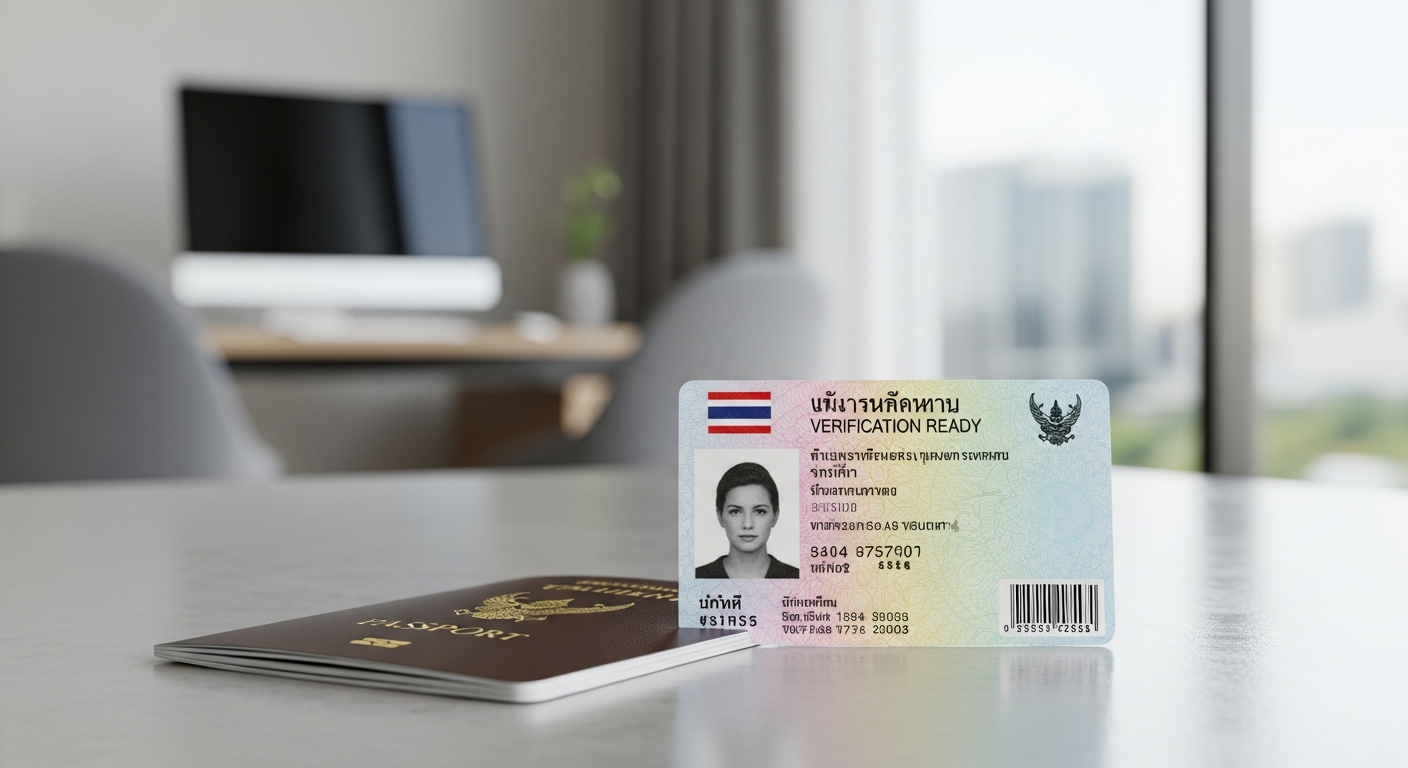

Mitigating Fraud Risks and Adhering to PDPA Regulations
Refusing to provide valid identification immediately raises red flags for fraudulent intent and money laundering risks. Data from the PropertyGuru Group indicates that over 30% of real estate agents in Southeast Asia have encountered commission disputes or fraudulent activities linked to unverified identities. When a client refuses to supply a National ID or Passport, agents face a high probability of the transaction bypassing their brokerage, resulting in direct commission loss. Leading agents now deploy OCR (Optical Character Recognition) technology to instantly authenticate passports and spot counterfeit documents, specifically when dealing with foreign nationals facing language barriers.
Collecting these documents places a strict legal responsibility on the agent under Thailand's Personal Data Protection Act (PDPA). Professionals handling real estate must ensure that all collected physical and digital copies of identification are securely stored, used explicitly for their stated purpose, and responsibly destroyed once the legal retention period expires. Proper education of clients regarding these mandatory data security measures builds trust and accelerates the closing process.
💡 REMAX Pro Tip
Always ask clients to sign and date a crossed-out copy of their Thai ID or Passport with the exact transaction purpose written across it (e.g., "Used exclusively for renting Unit 402, Sukhumvit"). This strict practice complies with PDPA guidelines and heavily deters identity theft during property transactions.
Written by REMAX Thailand Experts
Verified Real Estate Authority
This guide is researched and authored by our certified local market experts at REMAX Thailand. With decades of combined experience across the Kingdom, our team ensures every insight is backed by verified transaction data, strict legal compliance, and up-to-date market trends.
Need Personalized Advice?
Our expert agents and REX AI are ready to assist you with tailored real estate solutions.