Back to Real Estate Information 
Off Plan and Pre Sale investment project in Thailand
Purchasing a property before it is built—known as "Off Plan" or "Pre-Sale"—is a high-stakes strategy favored by foreign investors and speculators in Thailand's prime markets like Bangkok, Phuket, and Pattaya. While this approach offers the lowest entry price and the ability to secure premium units, it requires navigating complex risks involving developer insolvency, Environmental Impact Assessment (EIA) regulations, and strict contractual adherence under the Thai Condominium Act.
TL;DR - Quick Summary
- Capital Maximization: Buying during the pre-launch phase can secure prices 15-30% below market value upon completion.
- Critical Risk Mitigation: Always verify the project's EIA (Environmental Impact Assessment) status and the developer's financial health to avoid stalled construction.
- Contractual Safety: Ensure your Sales and Purchase Agreement (SPA) includes specific refund clauses for delays and adheres to the Consumer Protection Board's standards.
Understanding the Pre-Sale Landscape in Thailand
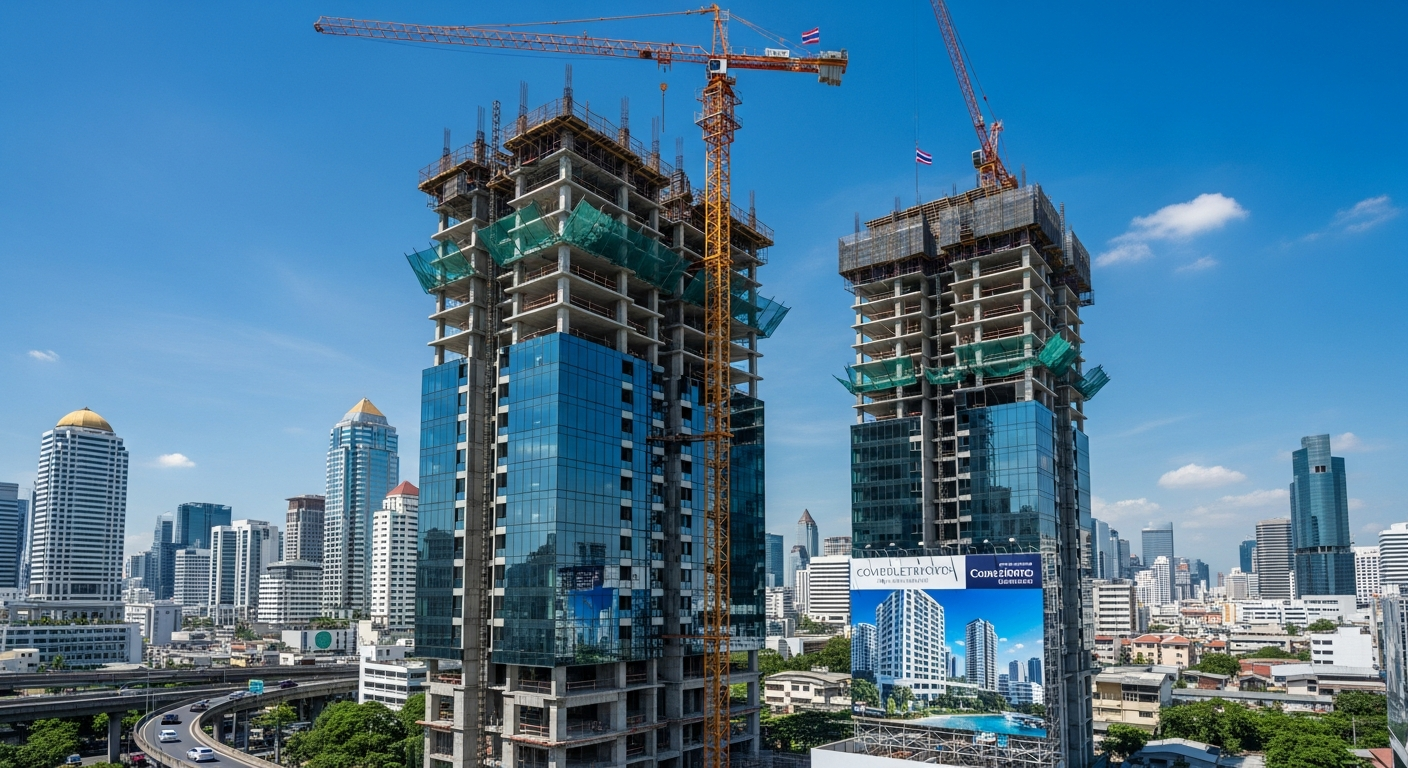
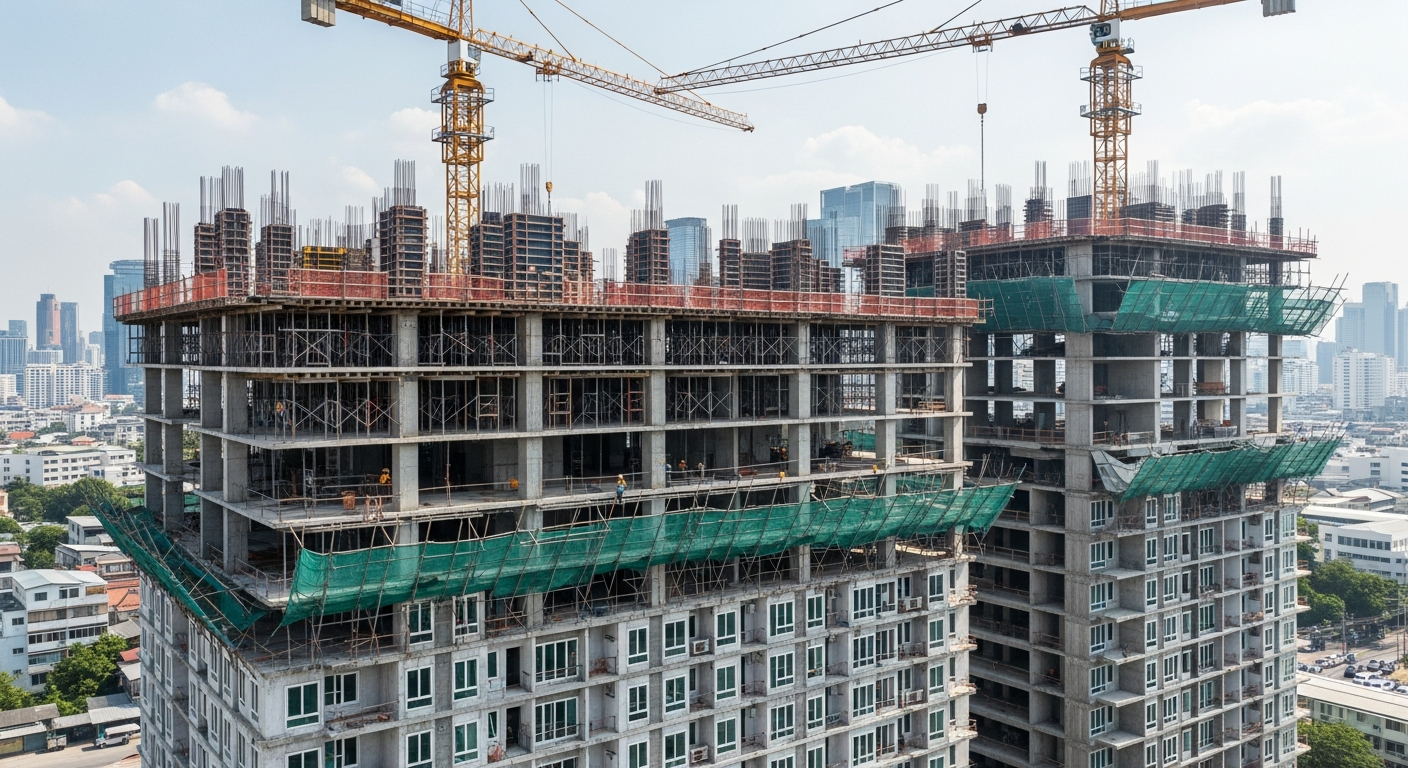
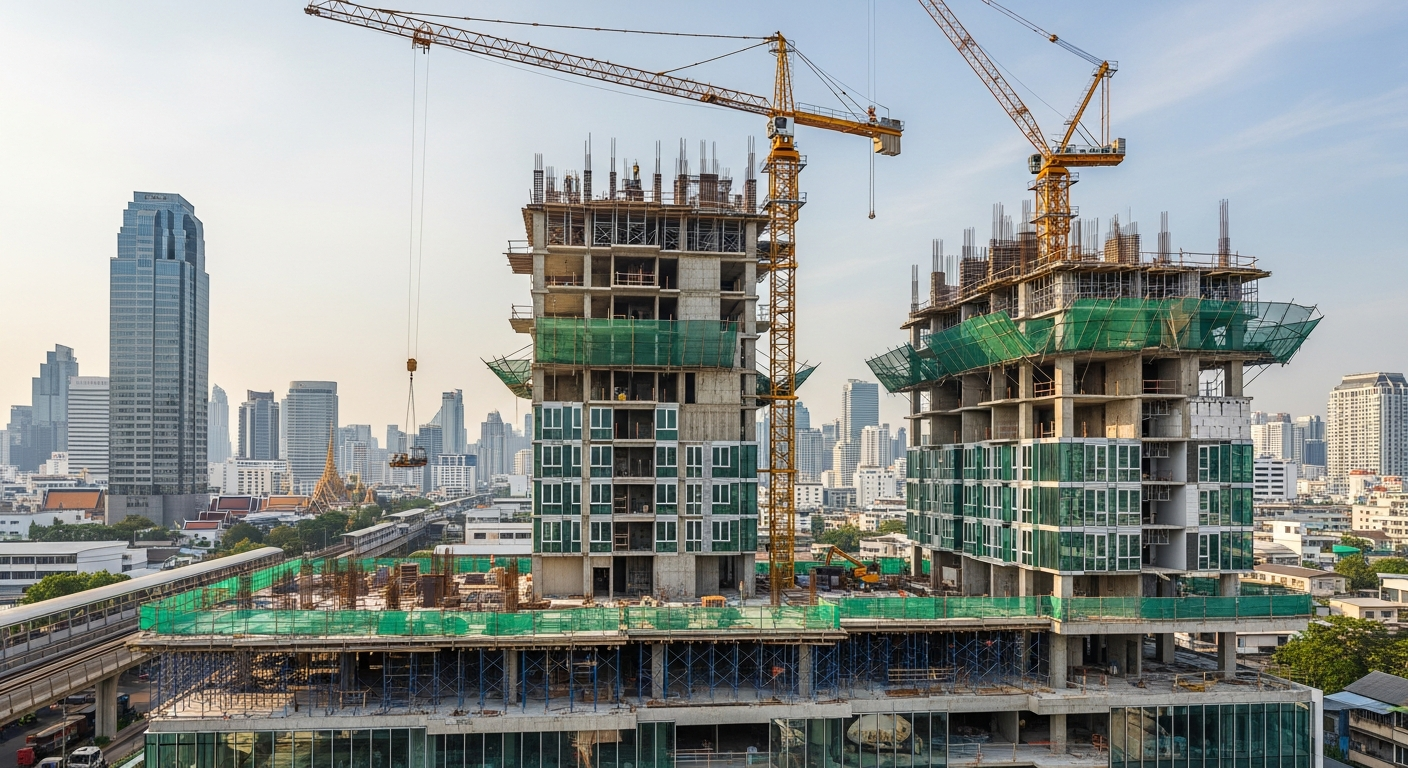
"Off-plan" refers to purchasing a property—typically a condominium in high-density areas like Sukhumvit (Bangkok) or Bang Tao (Phuket)—before construction is completed. Developers offer these "pre-sale" units at significantly reduced rates to fund early construction phases. While the allure of selecting prime units (e.g., high-floor, sea-view) is strong, the market is driven by speculation. Foreign investors must navigate the Thai Condominium Act and ensure the project has secured Environmental Impact Assessment (EIA) approval, a critical regulatory hurdle that can stall projects for years if rejected.
Investors targeting regions like Chiang Mai or Koh Samui often aim for "flipping" contracts before the final transfer. This involves selling the right to the property (the SPA) to a new buyer once the market value appreciates during the construction period, which typically spans 2 to 3 years. However, success depends entirely on the developer's ability to deliver on time and to the promised specifications.

💡 REMAX Pro Tip
ALWAYS verify the EIA Status (Environmental Impact Assessment) before handing over the contract fee. If the project is "EIA Approved," the construction risk drops significantly. If it is "EIA Pending," ensure your contract has a full refund clause specifically triggered by EIA rejection, rather than a generic cancellation policy.
Frequently Asked Questions
What is the difference between Off-Plan and Pre-Sale?
They are often used interchangeably, but technical "Pre-Sale" refers to the period before construction begins, often offering the lowest prices. "Off-Plan" covers the entire period where you buy based on plans rather than a physical building.
Is my deposit safe if the developer goes bankrupt?
Not automatically. Thai law encourages Escrow Accounts (Escrow Act B.E. 2551), but it is not mandatory for all developers. Buying from a developer who uses an Escrow Account provides significantly higher security for your deposit.
Can foreigners buy off-plan condos in Thailand?
Yes, foreigners can own condos freehold under the 49% Foreign Quota rule. It is crucial to ensure the unit you are booking is allocated within this foreign quota and not the Thai quota.
What taxes do I pay upon completion?
Upon transfer, you typically pay a Transfer Fee (2% of appraisal value, often shared 50/50), a one-time Sinking Fund payment (approx. 500-800 THB/sqm), and the Electric Meter deposit.
Can I sell my off-plan contract before completion?
Yes, this is known as "flipping." However, check the contract for a "Change of Name" clause. Developers may charge a fee or administration cost to reassign the contract to a new buyer.
Written by REMAX Thailand Experts
Verified Real Estate Authority
This guide is researched and authored by our certified local market experts at REMAX Thailand. With decades of combined experience across the Kingdom, our team ensures every insight is backed by verified transaction data, strict legal compliance, and up-to-date market trends.
Need Personalized Advice?
Our expert agents and REX AI are ready to assist you with tailored real estate solutions.