Back to Real Estate Information 
Short Sale and Fire Sale Property
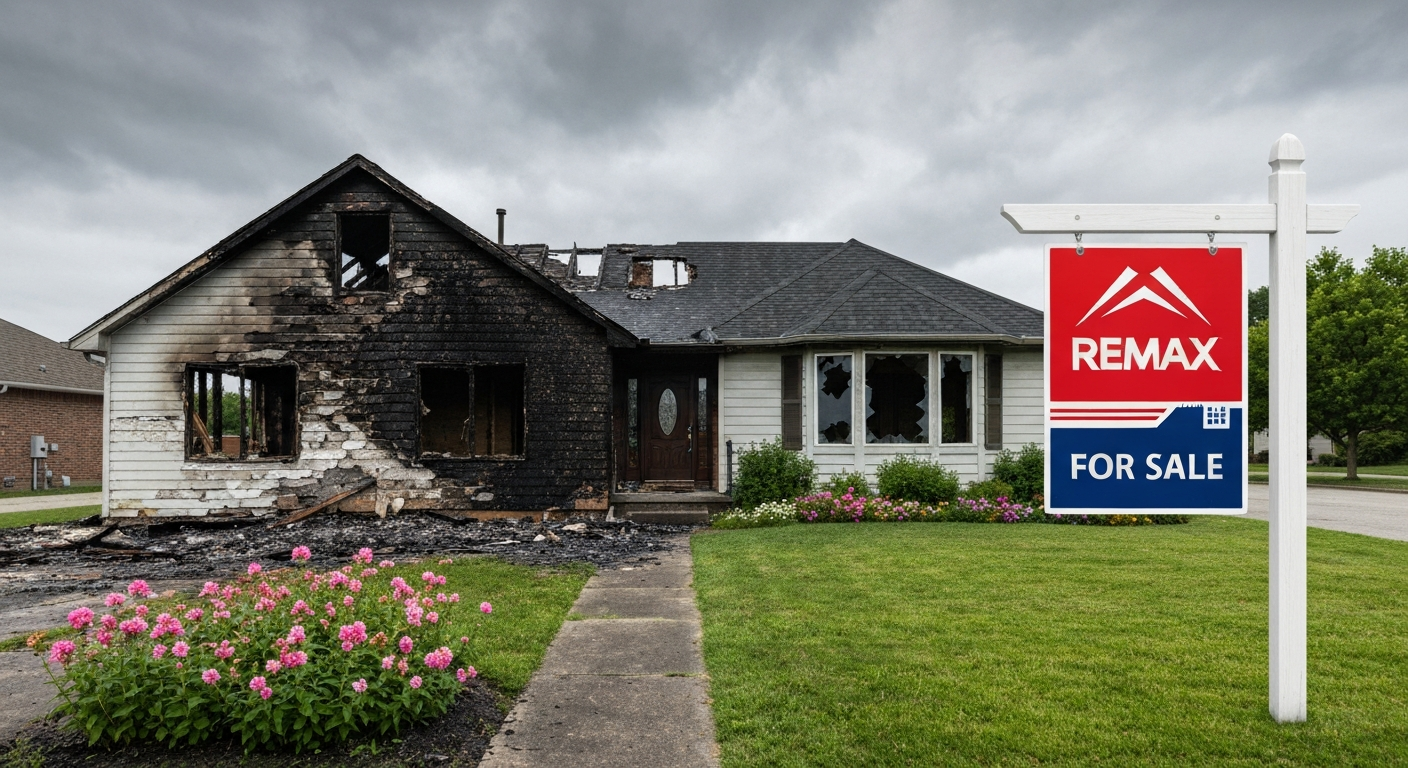
Economic shifts, particularly the lingering effects of the post-COVID-19 landscape, have created a unique inventory of distressed assets across Thailand. Property owners facing liquidity crises or looming foreclosures are increasingly turning to Short Sales and Fire Sales to exit their obligations. For investors, these situations present rare opportunities to acquire real estate at 30% to 80% below market value. However, distinguishing between a bank-approved short sale and an owner-driven fire sale is critical for legal safety and transaction speed.
TL;DR - Quick Summary
- Fire Sales prioritize speed, often pricing homes 30-50% below market value for immediate cash settlement within 30 days.
- Short Sales require lender approval to accept less than the mortgage balance, a complex process taking 3-6 months to close.
- Kai Faak (Sale with Right of Redemption) is a distinct Thai legal mechanism often driving these urgent sales, carrying specific redemption risks.
The Distressed Asset Landscape in Thailand
In the Thai real estate market, the terms "Short Sale" and "Fire Sale" are often used interchangeably, but they represent legally distinct processes. A Fire Sale is owner-driven; the seller has equity but needs immediate liquidity, often due to business insolvency or relocation. These sellers slash prices to attract cash buyers who can transfer the Chanote (Title Deed) immediately at the Land Department. This is the cleanest form of distressed purchasing.
Conversely, a Short Sale involves a property that is "underwater"—the outstanding mortgage debt exceeds the property's current market value. The seller cannot sell without the bank's explicit permission to accept a "short" payoff. This involves complex negotiations with the lender's asset management department. While the potential discounts are massive (often exceeding 50%), the timeline is unpredictable, as banks like SCB, KBank, or Bangkok Bank must process these through internal credit committees before releasing the lien.

💡 REMAX Pro Tip
When buying a Short Sale or Fire Sale property, never skip the due diligence at the Land Department. Always verify the back of the Chanote (Title Deed) for hidden liens, mortgages, or "Kai Faak" redemptions that haven't been cleared. In Short Sales, ensure you have a written letter from the bank explicitly stating the approved release price before you transfer any deposit money to the seller.
Written by REMAX Thailand Experts
Verified Real Estate Authority
This guide is researched and authored by our certified local market experts at REMAX Thailand. With decades of combined experience across the Kingdom, our team ensures every insight is backed by verified transaction data, strict legal compliance, and up-to-date market trends.
Need Personalized Advice?
Our expert agents and REX AI are ready to assist you with tailored real estate solutions.