← Back to Home

Guide to Thailand Visa Categories
Thailand has long been one of the world's most sought-after destinations. With its rich cultural heritage, world-class cuisine, outstanding healthcare, and breathtaking landscapes, it is no wonder that millions of people dream of making the Land of Smiles their permanent home. Whether you are relocating for a relaxed tropical lifestyle, securing a serene retirement property in Koh Samui, or buying a luxury high-rise condo in the bustling heart of Bangkok, understanding the right visa pathway is your absolute first step.
Navigating Thai immigration law can initially feel overwhelming due to the sheer variety of options and frequent regulatory updates. However, with the right information, the process is highly structured and manageable. This comprehensive directory introduces all the main visa pathways available to you, helping you align your residency goals seamlessly with your real estate investments.
📌 TL;DR: Quick Visa Summary
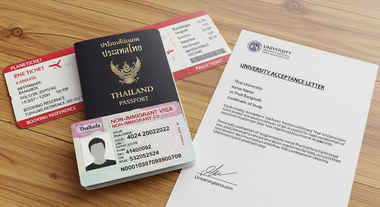
In a rush? Here is the quick breakdown: Use a Tourist Visa if you are just visiting for a few months to explore or hunt for property. If you plan to live, work, retire, or study in Thailand long-term, you must secure a Non-Immigrant Visa (which has specific sub-categories like Non-B for work, Non-O for retirement/family, and Non-ED for education). Visas like Diplomatic, Official, and Transit are strictly for government workers or brief layovers and do not apply to general expats or real estate investors.
Short-Term & General Visas
The foundation of the Thai immigration system. These visas cover everything from brief layovers to month-long property scouting trips.
Premium Residency Programs
The landscape of Thai immigration has evolved dramatically to attract high-value individuals, global talent, and remote workers with unprecedented flexibility and stability.

Long-Term Non-Immigrant Categories
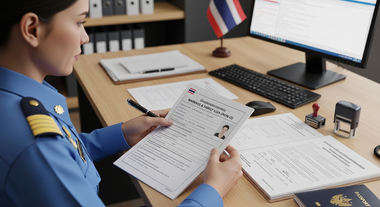
The Non-Immigrant visa is divided into numerous sub-categories tailored to your specific purpose of stay. It is the gateway to opening bank accounts, getting a Thai driver's license, and living securely.
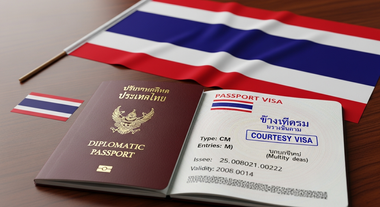
Government & Official Categories
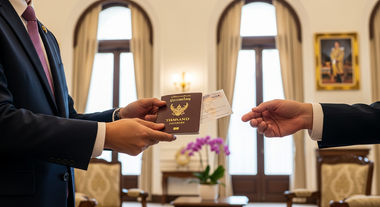
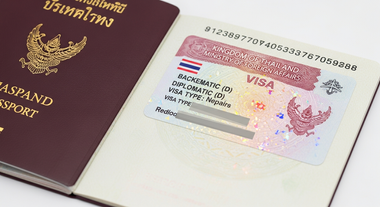
Strictly reserved for holders of diplomatic and official passports traveling on state business.
The Visa & Real Estate Connection
Obtaining the right visa is deeply and intricately intertwined with your real estate journey in Thailand. While it is true that under the Thai Condominium Act, a foreigner can legally purchase and own a freehold condominium entirely in their own name regardless of their visa status, owning the property does not automatically grant you the right to live in the country.
When investing millions of Baht into a luxury beachfront condo in Phuket or an exclusive high-rise in Chiang Mai, long-term stability becomes your most valuable asset. Certain visas actively intersect with real estate. For example, the LTR visa for Wealthy Global Citizens actually requires an investment of at least $500,000 in Thai government bonds, foreign direct investment, or Thai real estate. Similarly, the Board of Investment (BOI) offers specific investment visas for those buying new-build condos worth over 10 Million THB.
Furthermore, bringing foreign currency into Thailand to purchase property (generating a Foreign Exchange Transaction or FET form) is often a fundamental requirement for both real estate transfers and certain visa verifications. Having a secure, multi-year visa gives you the absolute peace of mind to invest heavily, ensuring you can legally reside in your newly purchased home, furnish it, and enjoy it year-round without the immense stress of constant visa runs or the fear of being denied entry at the border.
🎭 Visa Myths vs. Facts
- Myth: Buying a house gives you an automatic visa.
Fact: Property ownership alone does not grant residency. While specific high-value condo investments can qualify you for an investment visa, buying a standard home does not yield an automatic long-term stay. - Myth: You can do border runs forever to live here.
Fact: Immigration strictly profiles and heavily restricts consecutive border runs on tourist stamps. You will eventually be denied entry. - Myth: I can just set up a dummy Thai company to get a work visa.
Fact: The use of nominee Thai shareholders is illegal. Setting up a fake business solely for a visa can lead to deportation. - Myth: The Retirement Visa lets you work part-time.
Fact: Retirement visas strictly and explicitly prohibit any form of employment, including unpaid volunteer work or running a business.
✅ What to Do & Avoid ❌
- Do: Report your address every 90 days to Immigration if you hold a long-term visa. Keep the receipt slip stapled in your passport.
- Do: Ensure your passport has at least 6 months of validity and plenty of blank pages before applying for any new visa or extension.
- Do: Inform your bank if you change your visa status, as it may affect the terms of your account or your ability to transfer funds internationally.
- Avoid: Never overstay your visa, even by a single day. It results in a daily fine of 500 THB and, for longer overstays, mandatory blacklisting.
- Avoid: Do not engage in any work inside Thailand unless your specific visa explicitly allows it (e.g. Non-B or DTV).
Frequently Asked Questions
Common questions from our clients relocating and investing in Thailand.
1. Can I buy property on a Tourist Visa?
Yes, foreigners can purchase and own freehold condominiums in Thailand regardless of their visa type. You do not need a resident visa to buy property. However, a tourist visa won't allow you to live in your property year-round without constant, legally risky border runs.
2. How long does the Destination Thailand Visa (DTV) last?
The DTV is valid for 5 years and allows multiple entries. Each entry grants a maximum stay of 180 days, which can be extended once at local immigration for another 180 days, effectively allowing almost a full year of stay per entry before needing to leave and re-enter.
3. Do I need a return ticket to enter Thailand?
If you are entering on a Visa Exemption or a Tourist Visa, immigration officers at the airport or airline staff at your departure point routinely require proof of onward travel within your permitted stay period. Failure to provide this may result in denied boarding.
4. What happens if I lose my passport with my Thai visa in it?
You must immediately file a police report, obtain a new passport or emergency travel document from your embassy, and then visit a major Thai Immigration office (like Chaeng Watthana in Bangkok) to have your visa stamps officially transferred to the new passport.
5. Are families covered under these visas?
Many long-term visas, such as the LTR, Non-B, and DTV, allow you to bring legal spouses and dependent children (usually under 20 years old) under a "follower" or Non-O visa. However, specific documentation like marriage and birth certificates (often legalized) are required.
6. Do I need to pay income tax in Thailand on a retirement visa?
Thailand taxes tax residents (those staying 180+ days in a calendar year) on foreign-sourced income that is brought into the country. Recent 2024 rule changes mean foreign income brought in may be taxed regardless of the year it was earned. Always consult a certified Thai tax advisor for your specific situation.
7. Can I change my visa type without leaving Thailand?
In some specific scenarios, yes. Converting a Tourist Visa or Visa Exemption to a Non-Immigrant visa is possible at local immigration if you meet strict requirements (like qualifying for retirement or having a work permit pre-approved) and have at least 15 days remaining on your current entry stamp.
8. What is the 90-day reporting requirement?
Anyone staying in Thailand on a long-term visa for more than 90 consecutive days must report their current residential address to Thai Immigration. This is not a visa extension, just an address report. It can often be done online, by mail, or in person.
9. Does the Thai Privilege visa include a work permit?
The standard Thai Privilege (Elite) Visa is purely a long-term tourist/residency visa and does not inherently include a work permit. However, the program has introduced special flexible options and business-related upgrades that can facilitate a work permit for an additional cost or under specific conditions.
10. How much money do I need in a Thai bank account for a retirement visa?
For a Non-O or Non-O-A retirement visa extension, you typically need to show a balance of at least 800,000 THB in a Thai bank account in your name for 2-3 months before applying, OR prove a monthly incoming foreign pension of at least 65,000 THB.
Explore Immigration Services
Disclaimer: The information provided in this guide is intended for general informational and educational purposes only. Visa regulations, financial requirements, and immigration policies in Thailand are highly dynamic and subject to frequent changes by the Thai government without prior notice. REMAX Thailand is a real estate agency and does not provide formal legal or immigration advice. For the most accurate, up-to-date, and legally binding information regarding visa applications and requirements, we strongly advise consulting with a qualified immigration lawyer or visiting the official website of the Ministry of Foreign Affairs, Kingdom of Thailand (กระทรวงการต่างประเทศ).

Spotlight